The Museum of Islamic Art tour from Hurghada takes you to Bab Al-Khalq, Cairo, to see one of the finest and least-visited world-class museums in Egypt — a collection spanning twelve centuries of Islamic civilization, from the 7th-century Umayyads to the 19th-century Ottomans, told through ceramics, metalwork, manuscripts, and woodwork of genuinely extraordinary craftsmanship. This tour is built specifically and only around the Museum of Islamic Art itself, its most important collections, and a brief, tightly limited look at the surrounding Islamic Cairo streetscape — not a full Islamic Cairo circuit.
📑 Table of Contents
The Museum’s History
The Museum of Islamic Art began in 1881 under the name Dar al-Athar al-Arabiyya, a modest effort to gather and preserve fragments salvaged from historic Cairo structures falling into disrepair, initially housed within the arcades of the Mosque of al-Hakim. As the collection grew through the 1880s and 1890s, it quickly outgrew its temporary home, and construction began on a dedicated, purpose-built museum in Bab Al-Khalq square. Designed by Italian architect Alfonso Manescalo in a confident neo-Mamluk style — deliberately echoing the very art form the building would house — the museum was officially inaugurated on 28 December 1903, during the reign of Khedive Abbas Helmy II. It was renamed the Museum of Islamic Art in 1952.
By the early 2000s, the collection had swelled past 100,000 objects, and the original galleries had become genuinely cramped. A major modernisation, costing close to $10 million and developed in consultation with the Louvre’s Islamic art department and the Aga Khan Trust for Culture, reopened the museum in August 2010 with a redesigned interior. Then, in January 2014, a car bomb targeting the Cairo Security Directorate across the street caused serious damage to the museum’s façade and a number of displayed pieces. What followed was a genuinely remarkable international restoration effort — funded and supported by the United Arab Emirates, Italy, Germany, the United States, and UNESCO — and in January 2017, the museum reopened with three new galleries, its collection on display having grown from around 1,450 objects before the blast to roughly 4,400 afterward.
The Most Important Collections
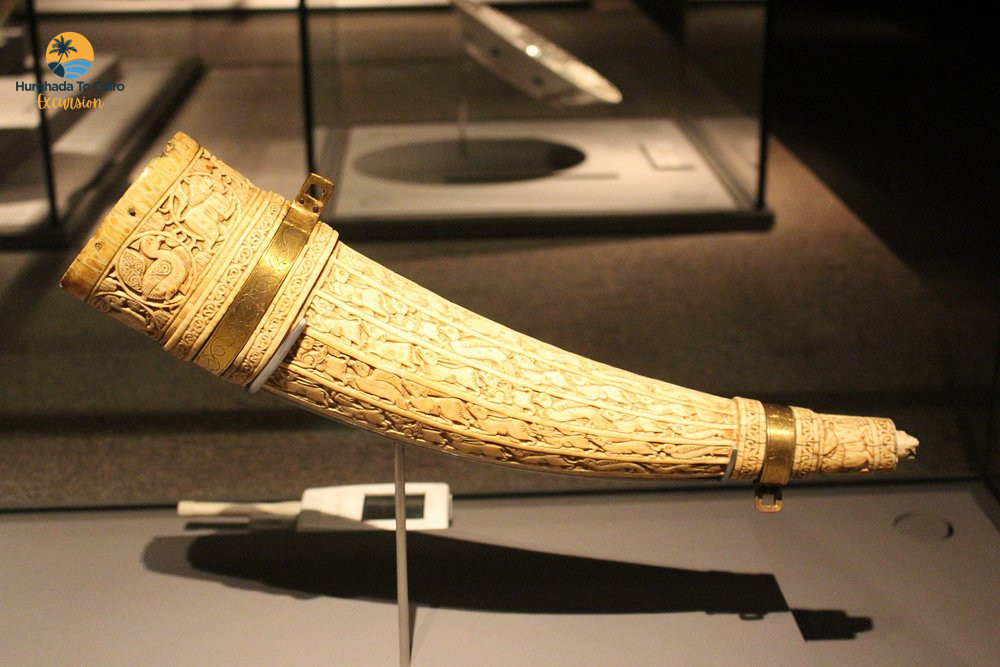
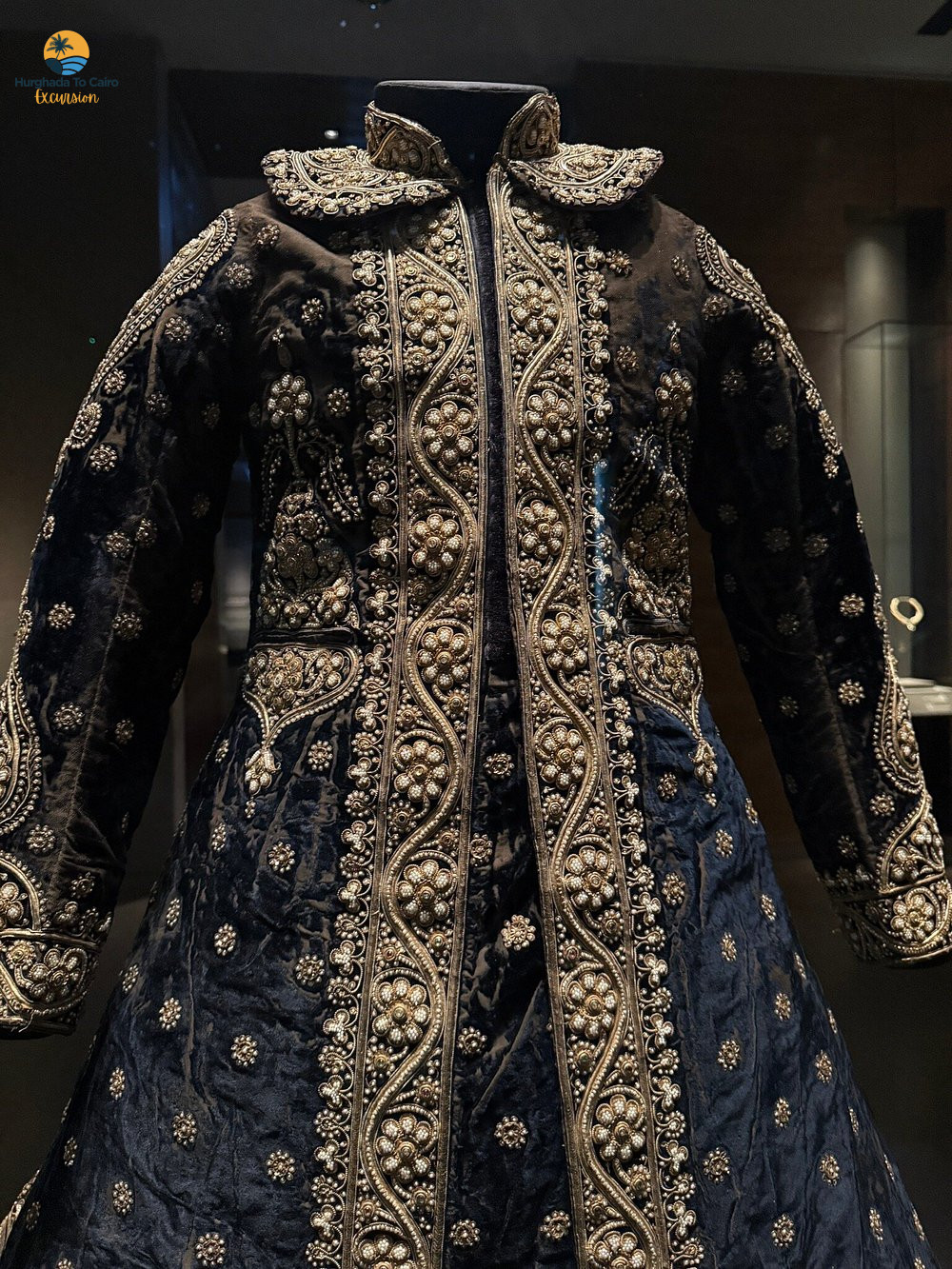
Across its 25 galleries, the museum’s collection spans the 7th-century Umayyad Caliphate through to the 19th-century Ottoman Empire, drawn from across the Islamic world — Egypt, the Levant, the Arabian Peninsula, North Africa, Andalusia, Iran, and Central Asia. Our tour focuses your guide’s attention on the collection’s genuine highlights, rather than attempting to cover all 25 galleries in equal depth.


The Limited Islamic Cairo Stop
Because Bab Al-Khalq sits at the edge of historic Islamic Cairo, we include one brief, genuinely limited stop nearby — a short walk to view the surrounding streetscape and architecture from outside, giving context to the museum’s neo-Mamluk building itself. This is deliberately kept short — a controlled extension of roughly 20–30 minutes, not a full walking tour of Islamic Cairo’s mosques and monuments. If you’re specifically interested in a fuller Islamic Cairo experience — the Citadel, the Mosque of Muhammad Ali, Khan El Khalili, or Al-Muizz Street — that’s a separate, dedicated tour we’re happy to discuss instead.
Why a Specialist Guide Matters Here
Islamic art history is a genuinely specialised field, distinct from the Pharaonic Egyptology most Cairo guides focus on. We assign guides with specific expertise in Islamic art and architecture for this tour — someone who can meaningfully explain the evolution from Umayyad geometric design through Fatimid figurative art to Mamluk metalwork and Ottoman ceramic traditions, rather than a general Cairo guide reciting object labels.
10 Highlights of Your Tour
Full Day Itinerary — Hour by Hour


Book your Museum of Islamic Art tour from Hurghada — twelve centuries of craftsmanship, told by a genuine specialist.
What This Tour Deliberately Does Not Include
To keep this experience genuinely focused, it does not extend into a full Islamic Cairo circuit — no Citadel of Cairo, no Mosque of Muhammad Ali, no Khan El Khalili shopping walk, and no full Al-Muizz Street tour. Those are wonderful destinations in their own right, but combining them here would dilute the depth we’re able to give the museum itself. If a fuller Islamic Cairo experience genuinely interests you, ask us about our separate, dedicated Islamic Cairo tour instead.
Accessibility & Practical Notes
Following its 2010 renovation, the museum is a genuinely modern, well laid out two-storey building with generally good accessibility. Photography rules can vary by gallery, so confirm with your guide on arrival. Given the museum’s proximity to a government building previously targeted in 2014, standard security screening is in place at the entrance — a routine, brief process rather than a genuine obstacle to your visit.
What to Pack
10 Insider Tips
Tip 2 — Don’t try to see all 25 galleries in equal depth. Focused time on the genuine highlights beats a rushed complete circuit.
Tip 3 — Ask about the 2014 restoration story. A genuinely moving example of international heritage preservation.
Tip 4 — Take time with the Mamluk metalwork gallery specifically. Among the finest examples of this craft anywhere in the world.
Tip 5 — Ask about the building’s own neo-Mamluk architecture. It’s genuinely part of the exhibition, not just a container for it.
Tip 6 — Keep the limited Islamic Cairo stop in perspective. If you’d like the fuller experience, ask about our separate dedicated tour instead.
Tip 7 — Confirm current photography rules with your guide on arrival. These can vary between galleries.
Tip 8 — This tour pairs well with a separate Coptic Cairo or Cave Church visit on another trip. Each offers a genuinely different thread of Egypt’s layered history.
Tip 9 — Sleep during parts of the long drive. The 5.5-6 hour journey each way is easier managed this way.
Tip 10 — Go in expecting genuine artistic sophistication, not just historical curiosities. This is a world-class collection by any international standard.
Real Reviews — Museum of Islamic Art Tour from Hurghada
“Genuinely one of the best museum experiences we’ve had anywhere, and we’ve been to plenty. Our guide’s specific expertise in Islamic art made a real difference — this wasn’t a general Cairo guide reciting facts, it was genuine specialist knowledge.”
“Appreciated that the tour stayed genuinely focused on the museum rather than being padded out with mosque-hopping. The Mamluk metalwork gallery alone was worth the whole journey.”
Frequently Asked Questions
Book Your Museum of Islamic Art Tour Today
Twelve centuries of Islamic craftsmanship, genuinely explained by a specialist guide, with a focused itinerary and zero shopping stops. Free cancellation up to 24 hours before departure.
All Cairo Trips from Hurghada
Coptic Museum & Hanging Church Tour from Hurghada