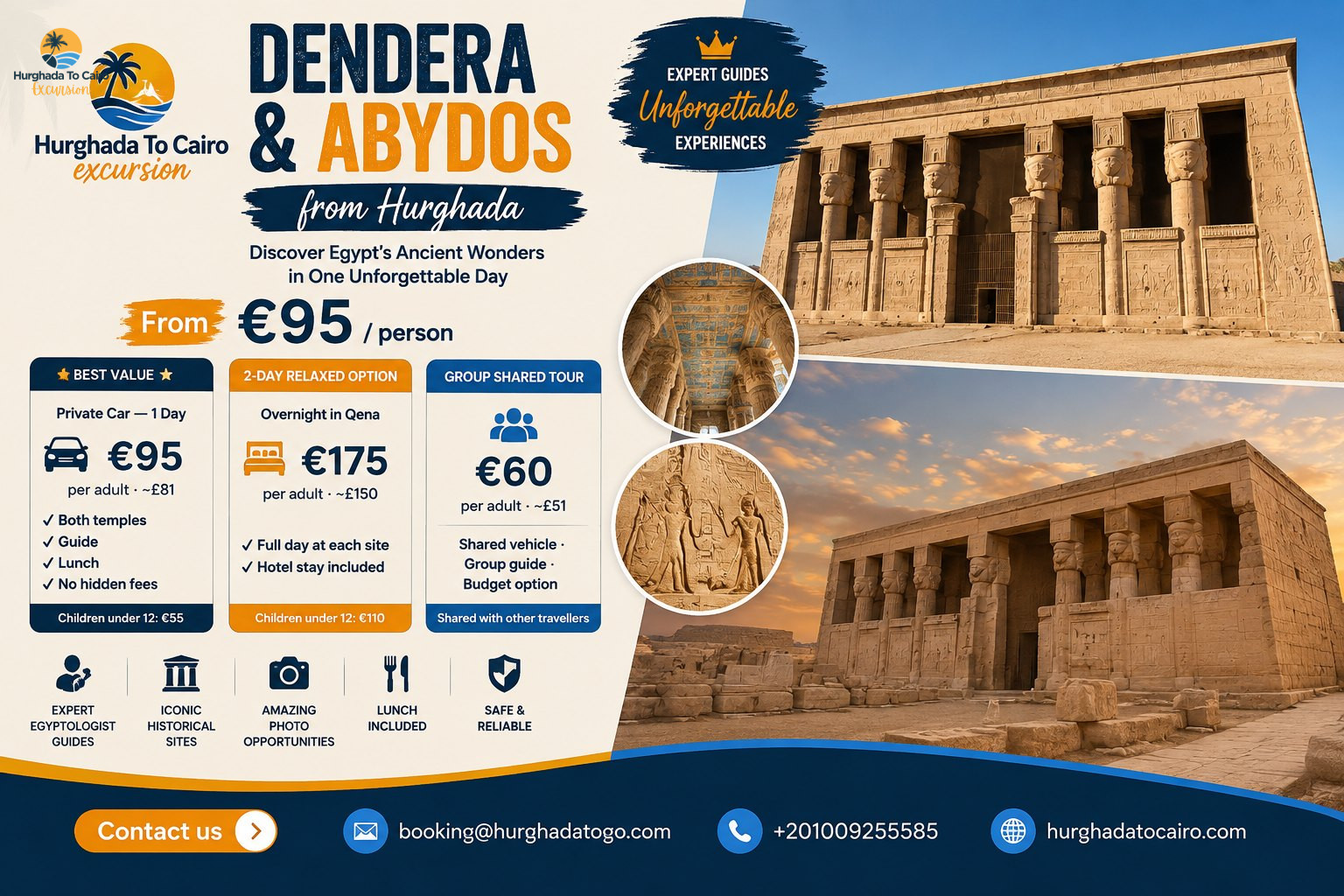
Dendera and Abydos from Hurghada
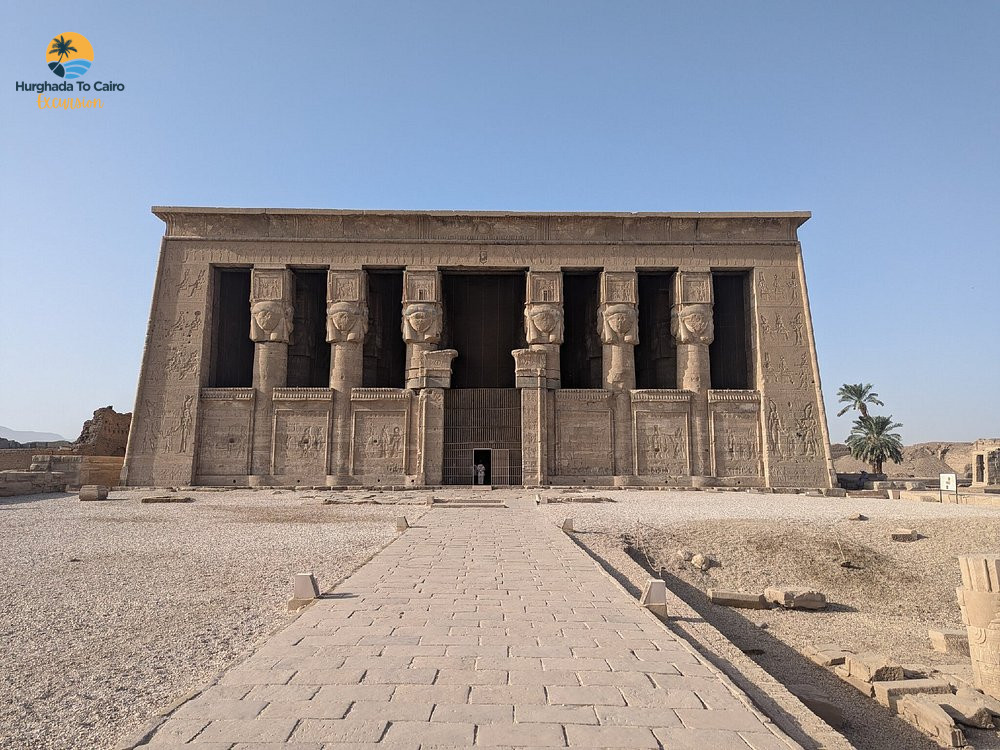
The Dendera and Abydos tour from Hurghada is, for many returning Egypt travellers, the single most rewarding day trip on the Red Sea coast — two of the best-preserved and least-crowded major temples in the country, visited in one long, unhurried day, without ever fighting through the crowds of Luxor or Giza. This guide gives you the complete, honest picture: the full itinerary from hotel pickup to hotel drop-off, transparent pricing with no surprise fees, the real history of both temples, and direct answers to the questions travellers ask most before booking.
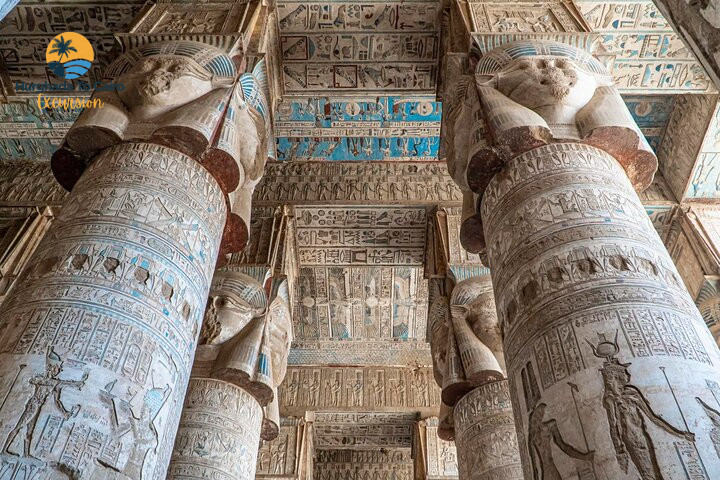
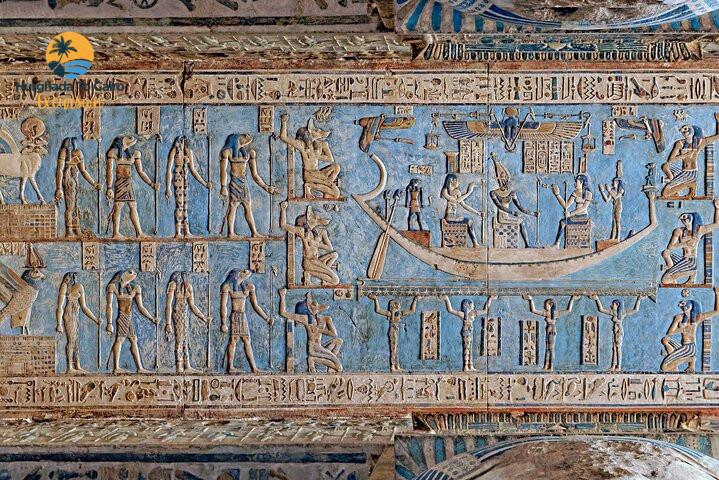
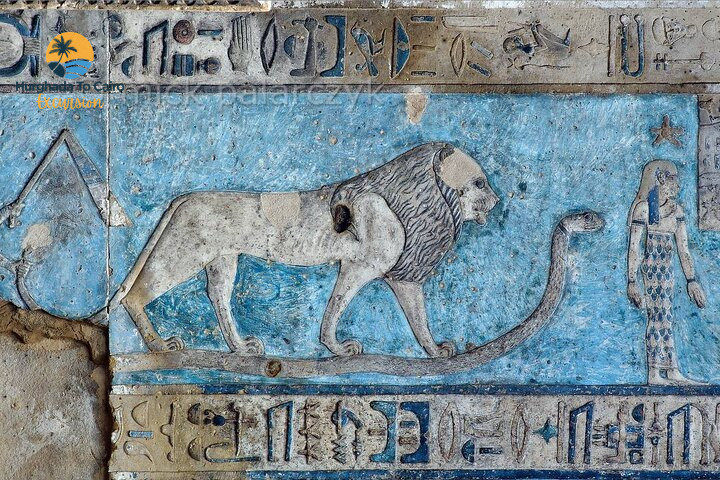
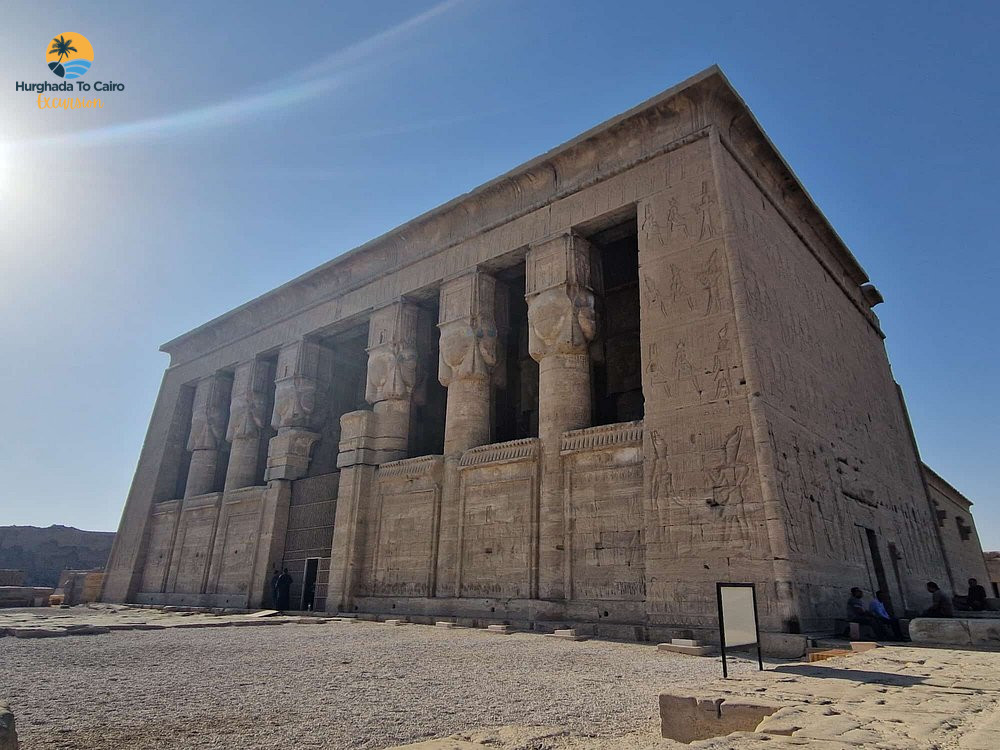
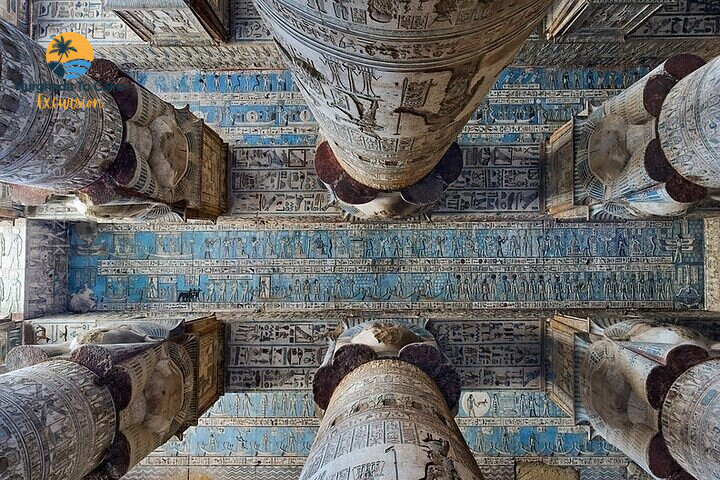
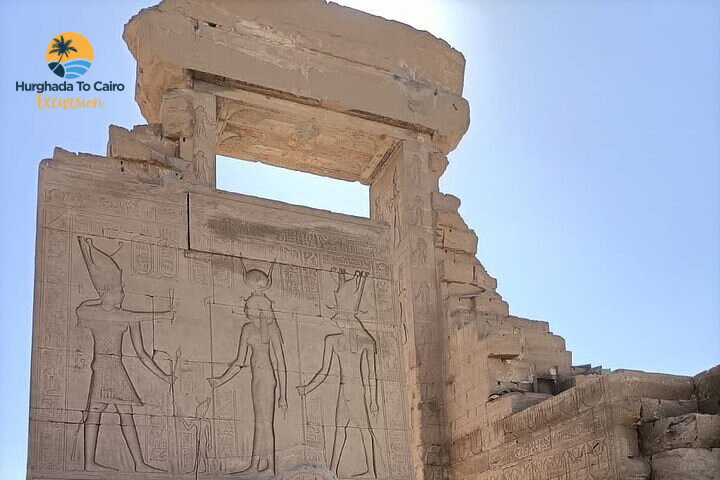
At Dendera, you enter the astonishing Temple of Hathor — goddess of love, music, and healing — one of the most completely preserved temple complexes anywhere in Egypt, with its roof, its famous zodiac ceiling, and its underground crypts all still intact. At Abydos, you stand inside the Temple of Seti I, home to the finest carved reliefs of the New Kingdom and the Abydos King List, one of the most important historical records ever found in Egypt. Both sites see a fraction of the visitors that Luxor or Cairo receive — on most days, you will have long stretches of both temples close to yourself.
📑 Table of Contents
Is Dendera Temple Worth Visiting?
Yes — and among Egyptologists and well-travelled visitors, Dendera Temple is frequently rated as one of the single best temple experiences in the entire country, sometimes even preferred over Karnak or Luxor Temple for its state of preservation and the quality of what you can actually see up close.
The honest caveat: because Dendera was built and decorated primarily in the Ptolemaic and Roman periods (roughly 100 BCE–200 CE), it is architecturally younger than temples like Karnak or Abu Simbel. If your priority is exclusively New Kingdom or Old Kingdom monuments, this matters. But for sheer completeness, colour, and atmosphere, few sites in Egypt rival it — which is exactly why so many repeat visitors name it as a personal favourite.
What Is the Story of the Dendera Temple?
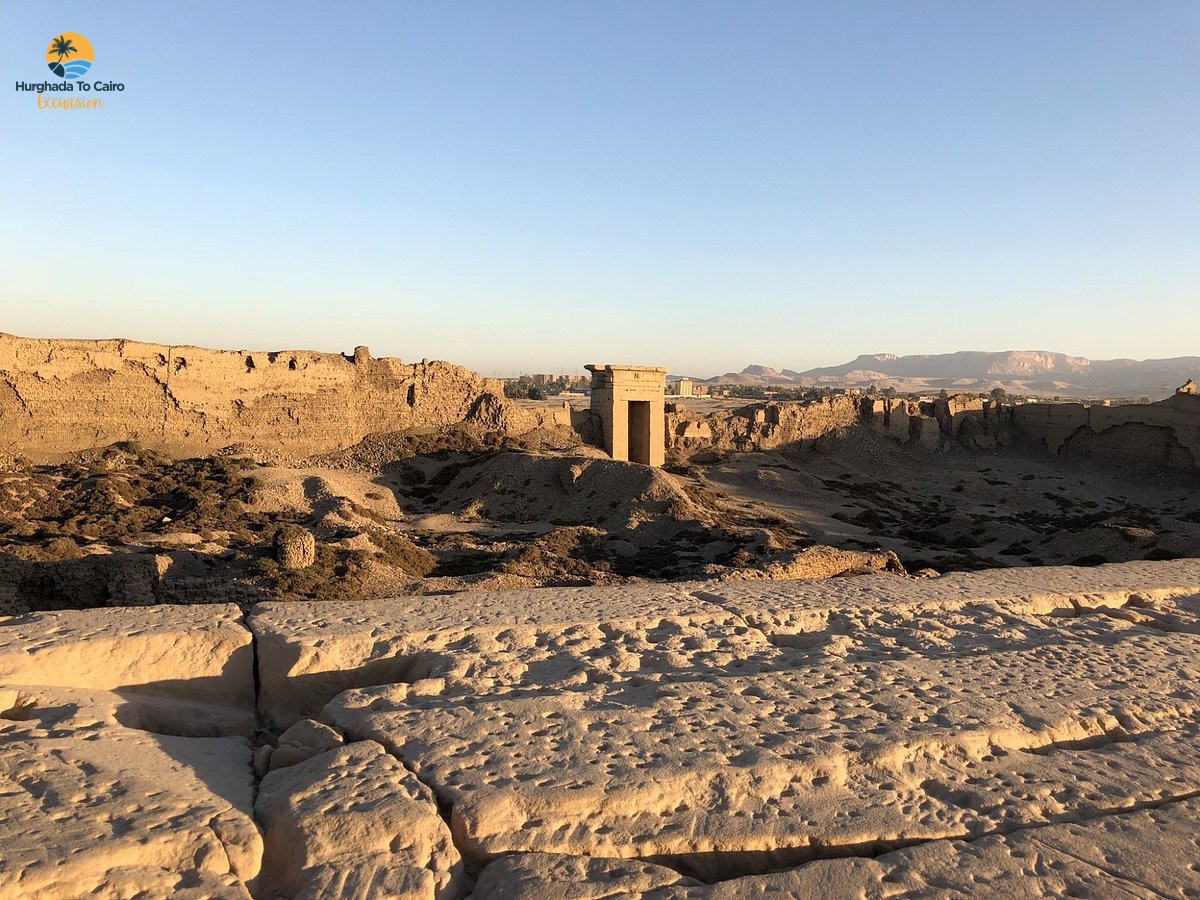
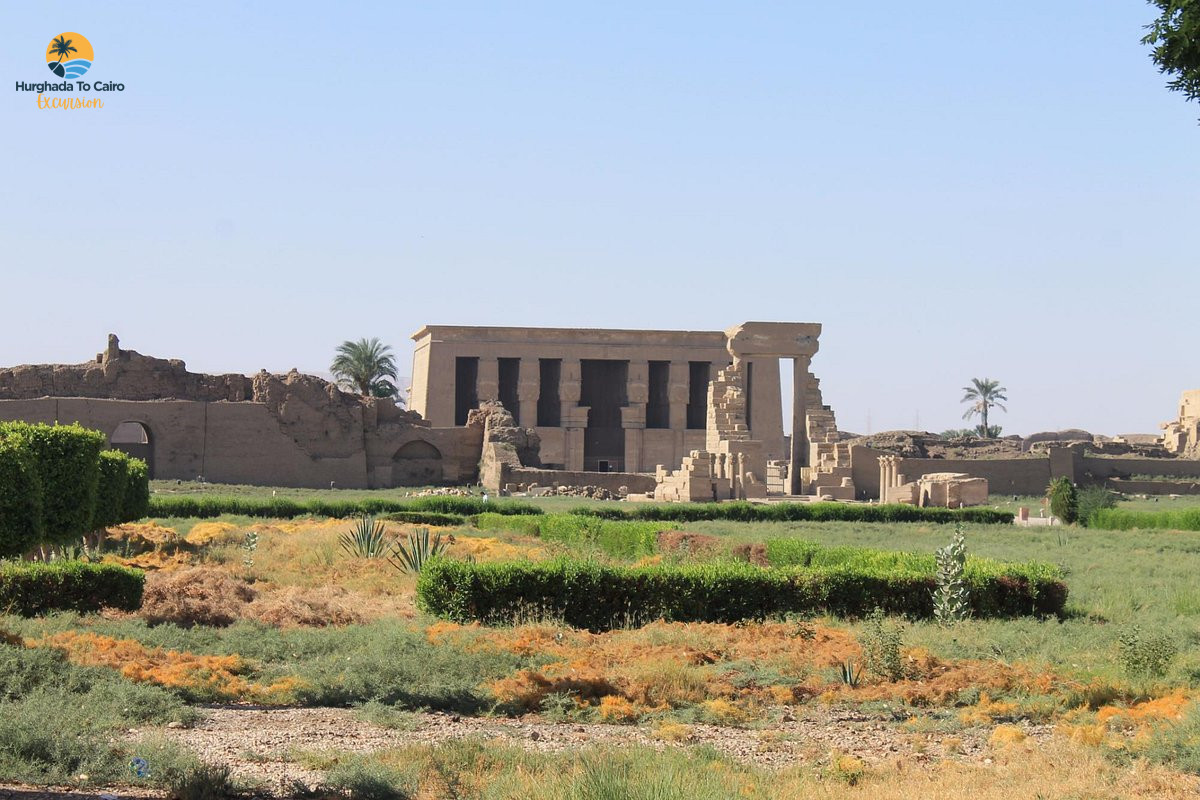
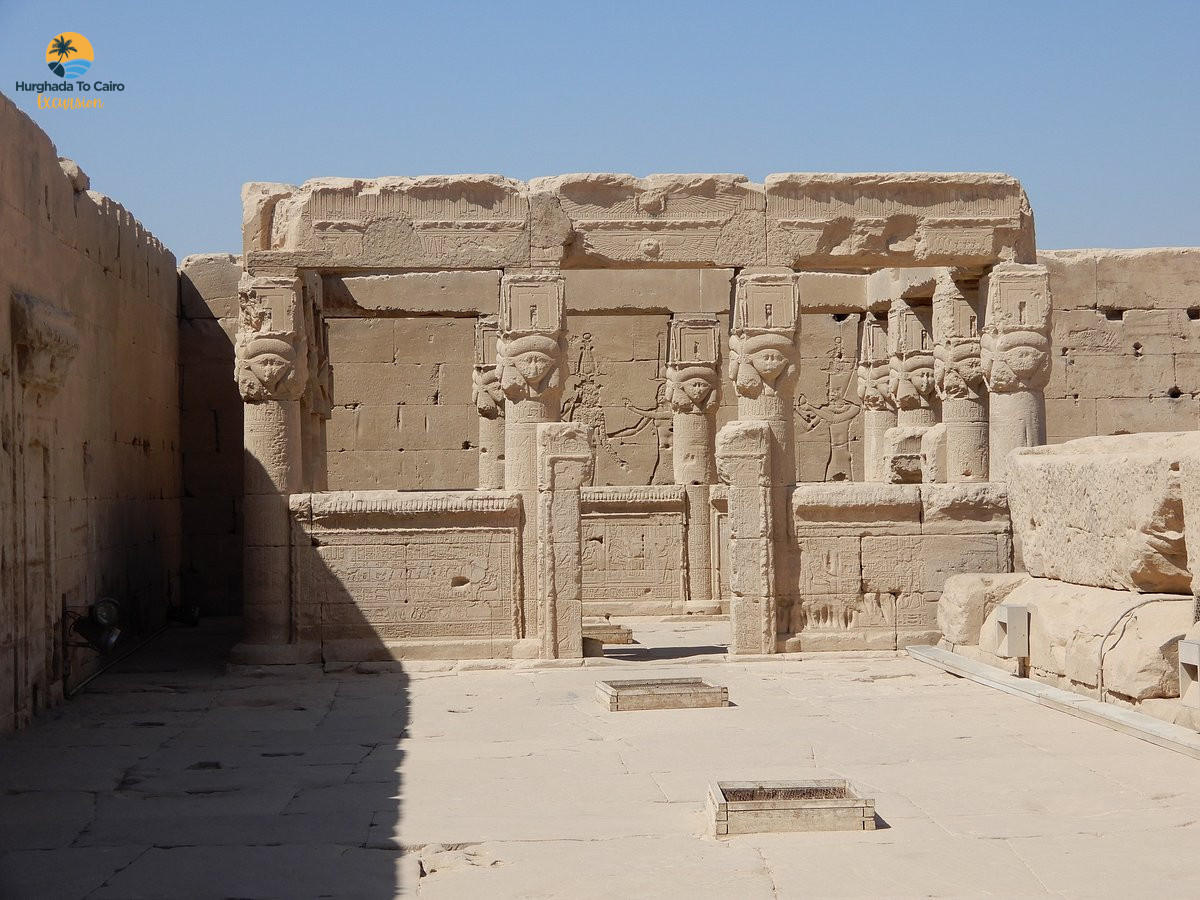
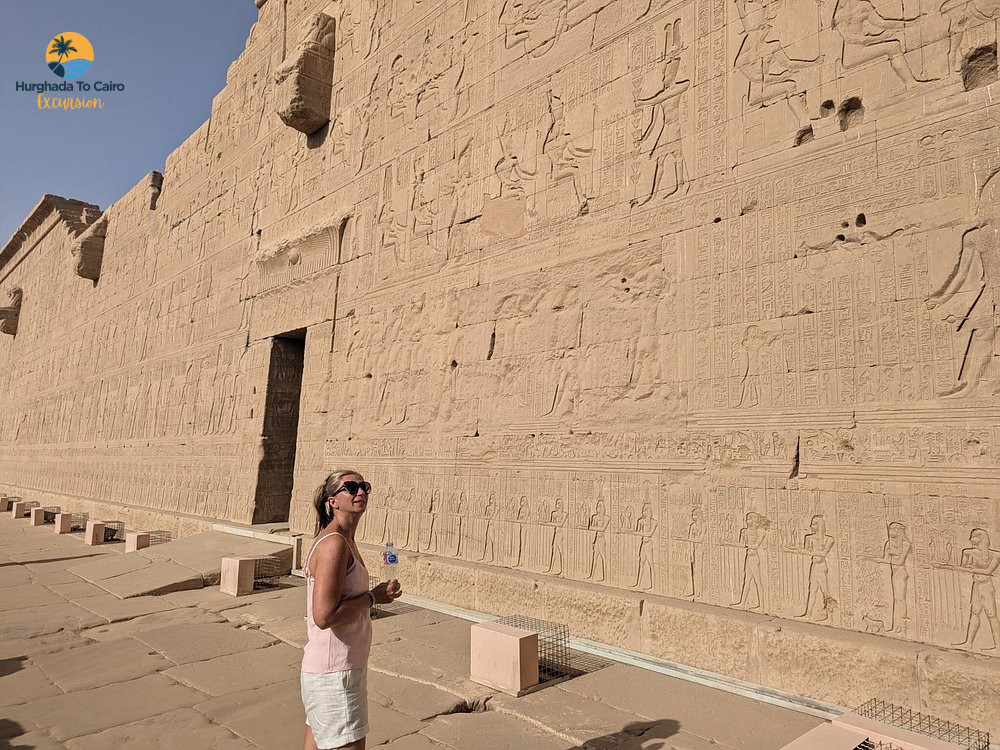
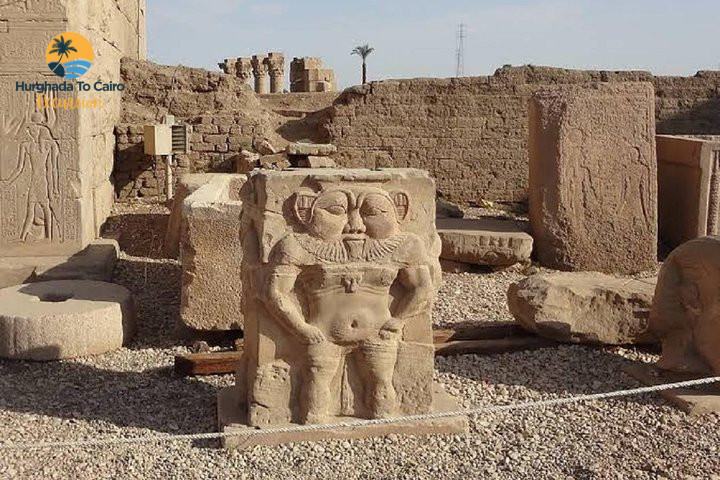
The Dendera Temple complex is dedicated to Hathor, goddess of love, motherhood, music, dance, and joy, closely associated with the planet Venus and often depicted with cow horns cradling a sun disc. A sanctuary has stood on this site since at least the Old Kingdom, but the temple visible today was built far later — largely during the reign of Ptolemy XII and his daughter Cleopatra VII, with the entrance hall added under the Roman emperor Tiberius. It is, in effect, one of the last great expressions of ancient Egyptian religious architecture, built by rulers who were Greek and Roman by ancestry but who deliberately followed traditional Egyptian temple design almost to the letter.
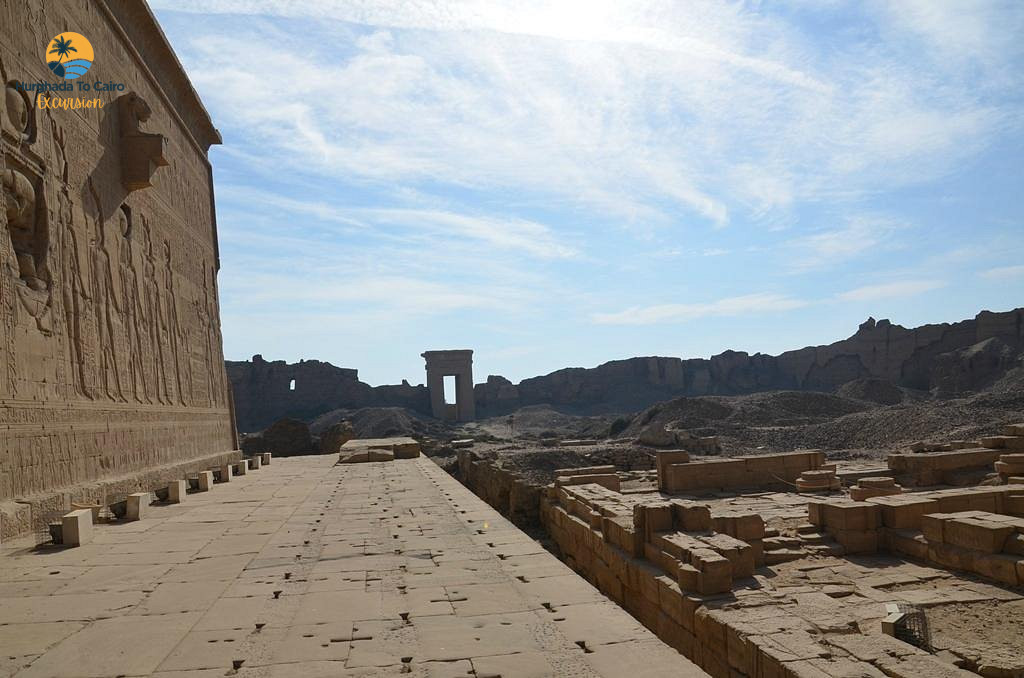
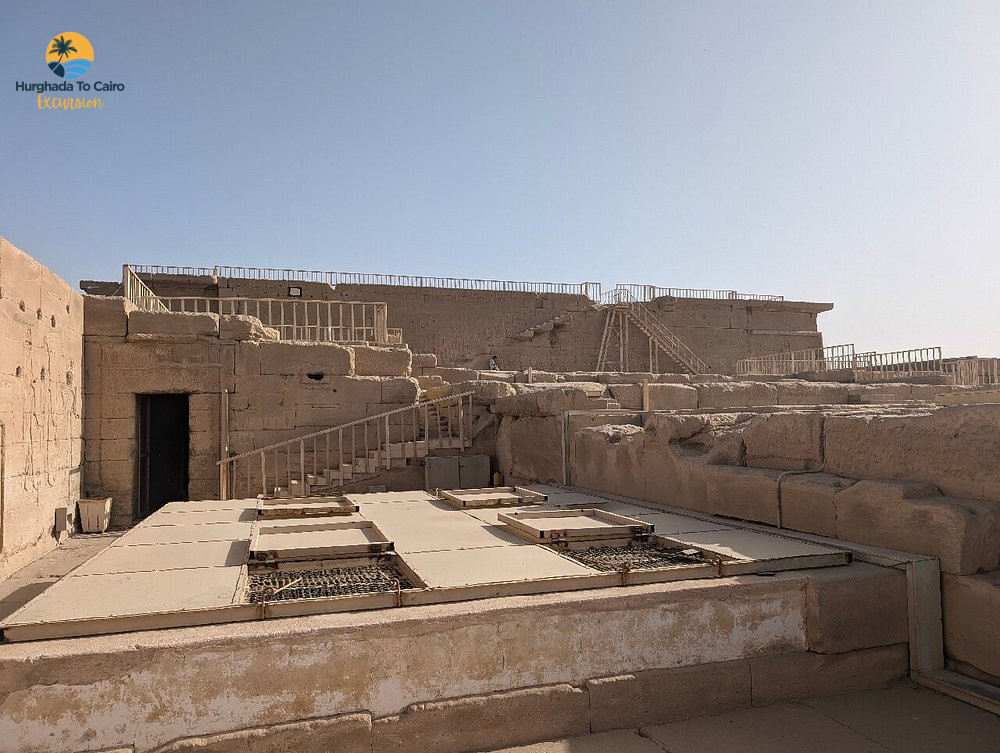
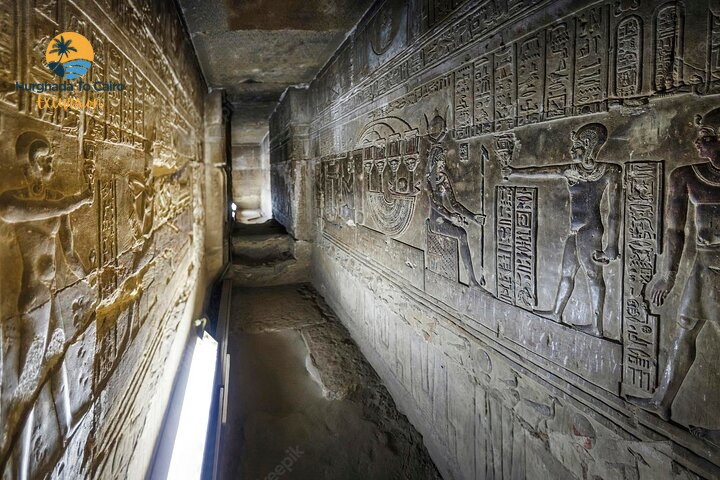
On the temple’s outer rear wall is a monumental relief of Cleopatra VII and her son by Julius Caesar, Caesarion (Ptolemy XV), shown in full Egyptian royal dress making offerings to the gods — one of the very few surviving large-scale depictions of Cleopatra in existence. Inside, a steep stairway leads to rooftop chapels used for the temple’s New Year festival, when statues of Hathor were carried up to be touched by the first rays of sunrise. Beneath the temple, a network of narrow crypts — used to store the temple’s most sacred cult objects — remains accessible, their walls carved with texts and images meant only for the temple’s own priesthood to see.
Hathor was also worshipped as a goddess of healing, and Dendera once operated an attached sanatorium — effectively an ancient medical centre — where pilgrims came seeking cures. Sacred water, ritually purified by pouring it over statues inscribed with healing texts, was used for therapeutic bathing, priests dispensed ointments, and dedicated sleeping quarters allowed the sick to spend the night hoping Hathor would appear to them in a dream and guide their treatment. It is one of the clearest physical examples anywhere in Egypt of religion and medicine functioning as a single practice.
How to Visit the Abydos Temple
Because Abydos lies roughly 165 km north of Luxor and has no dedicated public transport connecting it to Red Sea resorts, the only realistic way to visit from Hurghada is with a private car and driver — which is exactly why we combine it with Dendera into a single, efficiently routed day.
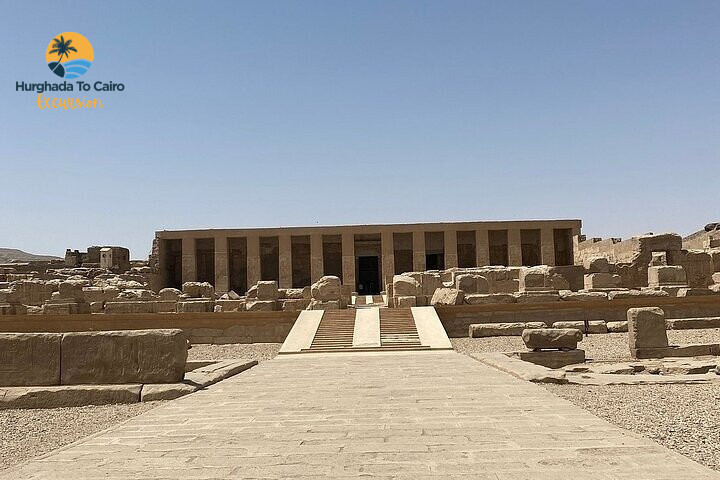
Once there, the visit itself is straightforward: your guide leads you through the surviving hypostyle halls of the Temple of Seti I, into the seven parallel sanctuary chapels dedicated to Ptah, Ra-Horakhty, Amun-Ra, Osiris, Isis, Horus, and Seti I himself, and finally to the famous Abydos King List — a carved wall inscription naming most of Egypt’s pharaohs in chronological order, one of the most important sources historians have ever used to reconstruct the dynastic timeline of ancient Egypt.
Are There Any Pyramids Near Hurghada?
No — this is one of the most common misconceptions among first-time visitors to the Red Sea coast. There are no pyramids anywhere near Hurghada, Dendera, or Abydos. The nearest pyramid fields — Giza, Saqqara, and Dahshur — are all near Cairo, approximately 450 km and a 4.5–5 hour private drive north of Hurghada. Neither Dendera nor Abydos, nor anywhere else in Upper Egypt near Luxor, has pyramid structures; pyramid-building was concentrated almost entirely in the Memphis/Cairo region during the Old and Middle Kingdoms.
12 Must-See Highlights of Your Dendera and Abydos Tour
Full Day Itinerary — Dendera and Abydos Tour from Hurghada, Hour by Hour
This is our standard, field-tested Dendera and Abydos tour itinerary from Hurghada — a full but comfortably paced day, timed to reach both temples during their quieter hours.


Secure your Dendera and Abydos tour from Hurghada — two of Egypt’s best-preserved and least-crowded temples in one full, comfortable day.
🏛️ Book This Tour — From €95 Per Person
Quick Facts — Distance, Hours & Tickets
| Site | Distance from Hurghada | Opening Hours | Onsite Time |
|---|---|---|---|
| Dendera Temple | ~220 km / 2.5 hrs | Daily 07:00–17:00 | ~2 hours with guide |
| Abydos Temple | ~290 km / 4.5–5 hrs (combined route) | Daily 07:00–17:00 | ~1.5 hours with guide |
2026 Tour Pricing — Full Breakdown
Overnight in Qena
What Is Included — Private Tour (€95)
Our Tour vs Standard Listings — Comparison
| Feature | Our Private Tour | Typical Standard Listings |
|---|---|---|
| Pricing transparency | ✓ One flat price, confirmed in writing | Some add unlisted card/banking fees on the day |
| Pickup zones | ✓ Clearly listed at booking, incl. Sahl Hasheesh & El Gouna | Extra zone charges sometimes only revealed at checkout |
| Guide quality | ✓ Vetted, dedicated Egyptologist | Varies significantly by operator |
| Group size | ✓ Private — your group only | Private and shared both common — check before booking |
| Extended option | ✓ 2-day version with overnight stay available | Rarely offered as a standard option |
| Shopping stops | ✓ Zero — guaranteed | Usually none on this specific route, but always worth confirming |
2-Day Option — For Travellers Who Want More Time
A recurring piece of feedback we hear from guests who have done this route on a standard single-day trip is that one day, while entirely workable, doesn’t leave enough time to fully absorb either temple — many wish afterward that they’d had a full day at each site rather than a shared morning and afternoon.
Our optional 2-day Dendera and Abydos itinerary solves this directly: Day 1 covers Hurghada to Dendera with a full, unhurried visit and an overnight stay in a comfortable hotel in Qena; Day 2 covers a full morning at Abydos before the return drive to Hurghada. It costs more than the standard day trip, but for history enthusiasts and photographers in particular, it is consistently the version our returning guests recommend.
What to Pack — Day Trip Checklist
10 Insider Tips from Our Egyptologist Guides
Tip 2 — Ask your guide to point out the original paint colours on the Dendera ceiling. They’re easy to miss if you’re not looking for them, but once pointed out, the blue and gold traces completely change how you picture the temple in its original state.
Tip 3 — Don’t skip the crypts if access allows. They require a bit of stooping in low passages, but they hold some of the most unusual and rarely-seen carvings at the entire site.
Tip 4 — At Abydos, ask specifically about the Osireion. It sits slightly apart from the main temple and is easy to walk past without realising its significance to the Osiris myth.
Tip 5 — This is one of the quietest major routes in Egypt — bring a real camera, not just your phone. The lack of crowds means genuinely unobstructed shots that are hard to get anywhere near Luxor or Giza.
Tip 6 — If you only have energy for deep engagement with one temple, choose based on your interests. Dendera rewards those drawn to colour, astronomy, and atmosphere; Abydos rewards those drawn to fine relief carving and dynastic history.
Tip 7 — Consider the 2-day version if photography is a priority. A single hurried pass rarely does either temple’s low-light interior justice — a second day changes that completely.
Tip 8 — Bring small local currency for the temple bathrooms and informal guides at the gate. A few small EGP notes go a long way and are appreciated, though never required through us — your Egyptologist guide handles the actual tour.
Tip 9 — Eat a solid breakfast before departure. The very early pickup means lunch isn’t until around 14:00 — pack a small snack too if you tend to get hungry mid-morning.
Tip 10 — If pyramids are also on your list, book that as a separate day. Cairo’s pyramid fields are roughly 450 km from Hurghada in the opposite direction from Dendera and Abydos — the two trips cannot be combined, so plan for two separate excursion days if you want both.
Real Reviews — Dendera and Abydos Tour from Hurghada
“We’ve visited a lot of temples across Egypt over the years and Dendera is genuinely one of our favourites — the roof still being intact makes it feel completely different from Karnak or Luxor. Abydos afterward was just as impressive. Long day, but worth every hour, and the final price matched exactly what we were quoted.”
“Our guide was fantastic — explained the mythology and history in a way that made both temples feel connected rather than just two separate stops. It genuinely felt like a full day of learning. Very quiet at both sites, barely another tourist in sight.”
“We asked about the 2-day option after reading it could get busy trying to fit both temples into one day, and we’re so glad we did — a relaxed day at each site with an overnight in Qena in between. Highly recommend for anyone who really wants to take their time.”
Frequently Asked Questions
Book Your Dendera and Abydos Private Tour Today
Two of Egypt’s best-preserved and least-crowded temples, one transparent price, zero hidden fees. Licensed Egyptologist guide. Zero shopping stops guaranteed. Free cancellation up to 24 hours before departure.
Final Thoughts — Why This Is One of the Best Days You Can Spend from Hurghada
Most temples in Egypt ask you to imagine what they once looked like. Dendera lets you actually see it — the roof, the colour, the crypts, the rooftop shrines — all still there. Abydos, meanwhile, offers something Dendera can’t: the finest relief carving of the New Kingdom and a written record of Egypt’s own kings, carved by the people who lived that history. Together, on a single well-organised day with transparent pricing and no surprises, they make one of the most rewarding excursions available anywhere on the Red Sea coast.
Book your private Dendera and Abydos tour from Hurghada today — and see two of Egypt’s most complete temples, at a pace that actually lets you take them in.
🔗 Explore more tours from Hurghada:
Cairo Pyramids Day Trip from Hurghada
Luxor Tours from Hurghada
All Cairo Tours from Hurghada