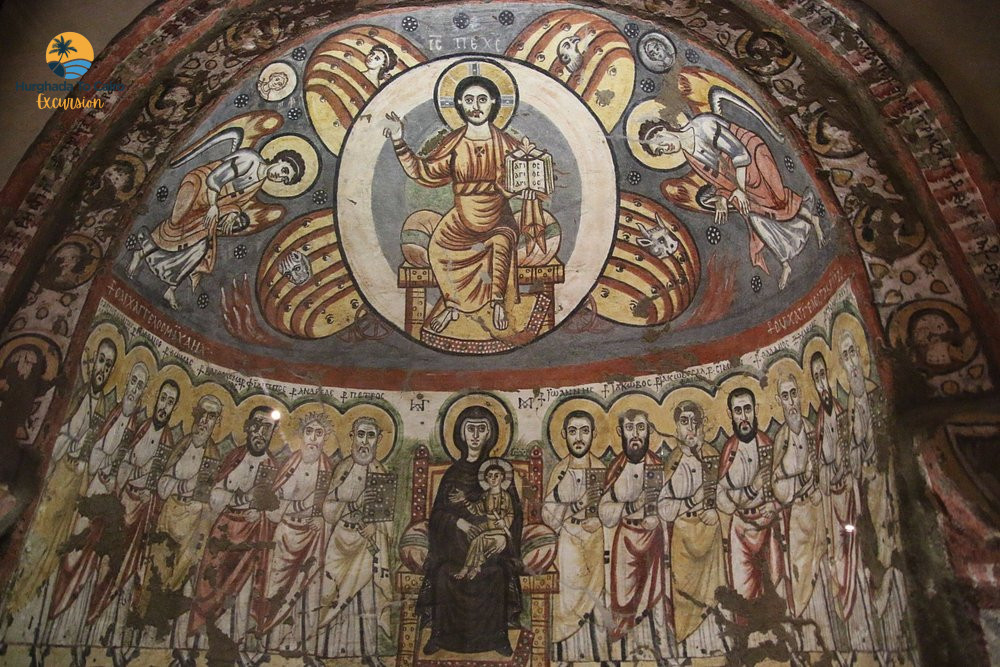
The Coptic Museum and Hanging Church tour from Hurghada takes you into the heart of Coptic Cairo — a genuinely remarkable pocket of Old Cairo where a Roman military fortress, the world’s largest collection of Coptic Christian art, and one of Egypt’s oldest surviving churches all sit within a two-minute walk of each other. This guide covers both sites in full, fact-checked detail, and builds an honest, realistic itinerary around the true distance from Hurghada rather than glossing over it.
Unlike many Cairo day trips that treat this area as a rushed afternoon add-on, we give both the Coptic Museum and the Hanging Church the unhurried time they genuinely deserve — helped by the fact that, once you arrive in Old Cairo, no further transfer is needed between them at all.
📑 Table of Contents
The Coptic Museum — History & Collection
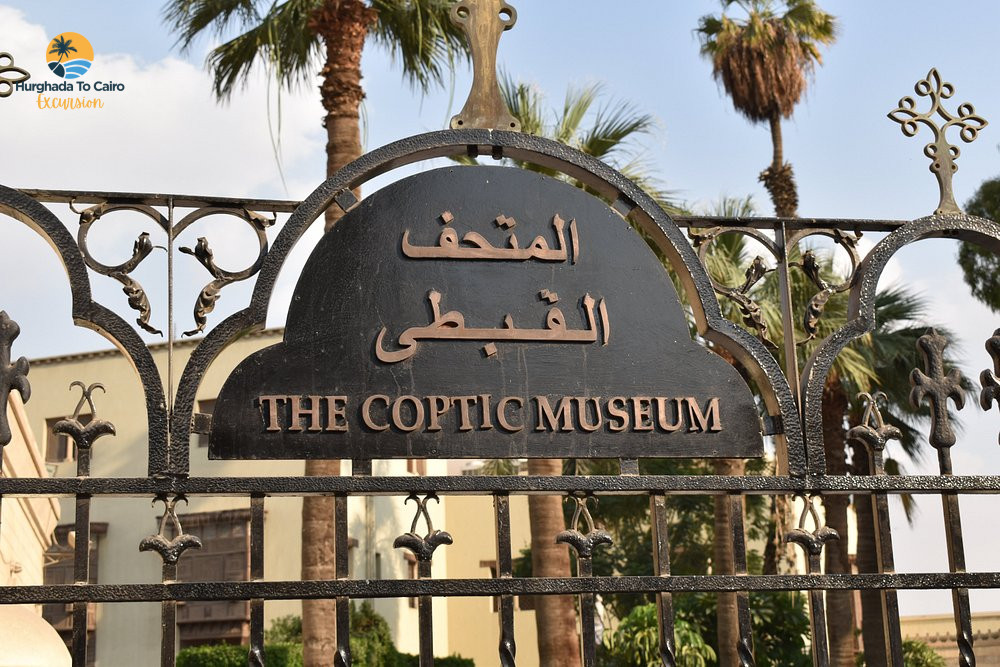
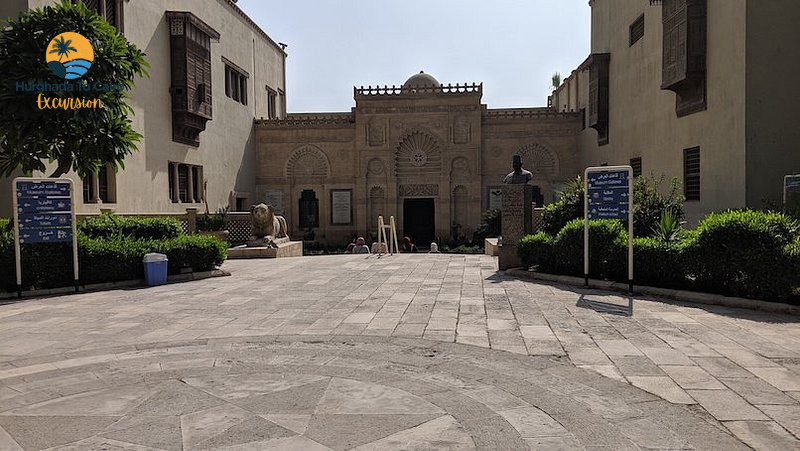
The Coptic Museum was founded in 1908 by Marcus Simaika Pasha, a prominent Coptic Egyptian civic figure who recognised that Egypt’s Christian heritage — running continuously from the 3rd century through to the present — deserved a dedicated home of its own, distinct from the country’s ancient Pharaonic collections. The museum opened its doors in 1910 in a small building within the Babylon Fortress, and by 1931 had outgrown that original space, moving to its current, larger location in the heart of Coptic Cairo, where it has been managed by the Egyptian state ever since.
Today, the museum holds the largest collection of Coptic Christian art in the world — more than 16,000 objects spanning from the 3rd to the 19th century, including textiles, manuscripts, icons, stone and woodwork, and archaeological fragments recovered from churches and monasteries across Egypt. It traces the story of Egyptian Christianity from its earliest days under Roman rule, through the Byzantine period, and into the centuries following the Islamic conquest — a narrative most visitors to Egypt never encounter, since it sits outside the standard Pharaonic-focused circuit.
The Hanging Church — Why “Hanging”?
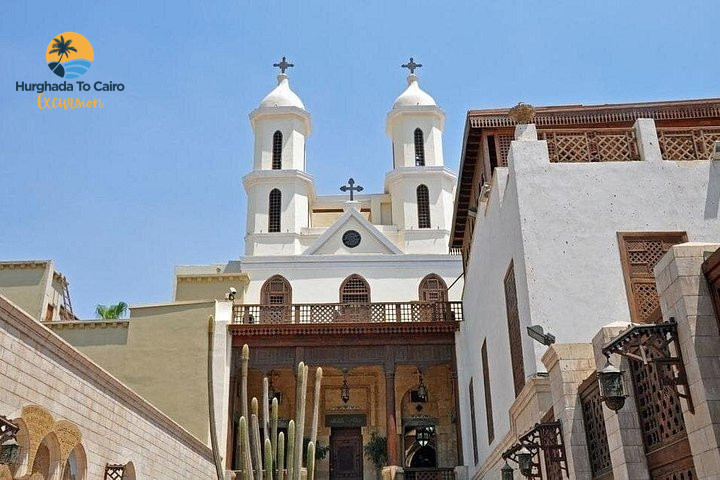
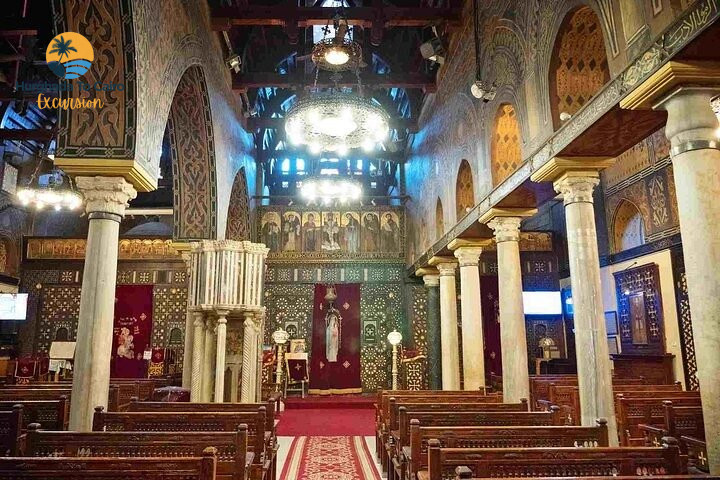
The Hanging Church, officially the Church of the Virgin Mary and known in Arabic as Al-Muallaqa, takes its name quite literally: its nave was built directly over the passage between the two cylindrical Roman gate towers of the Babylon Fortress. In antiquity, the ground level sat some 6–9 metres (20–30 feet) lower than today, meaning visitors approaching would genuinely have had to look up to see the church seemingly suspended above the fortress gate.
Historical evidence points to a church occupying this exact site as early as the 3rd or 4th century CE, built originally to serve the Roman soldiers garrisoned within the fortress — making it one of the oldest Christian sites in Egypt and the wider Middle East. The surviving structure is generally attributed to the Patriarchate of Isaac of Alexandria in the 7th century, though some architectural elements are dated as late as the 9th century by other scholars. In 1047, following the relocation of Egypt’s capital after the Islamic conquest, the Hanging Church was designated the official seat of the Coptic Orthodox Pope — a role of genuine historical significance that cemented its status as one of the most important churches in the Coptic Christian world.
The Babylon Fortress Beneath It All
Both the Coptic Museum and the Hanging Church sit within or atop the Babylon Fortress, a Roman military stronghold built around 30 BCE under Emperor Augustus to protect the vital canal connecting the Nile to the Red Sea, along with access routes into Upper Egypt. Its massive walls and twin cylindrical towers remain visible today, meaning a visit here quite literally involves walking on roughly 2,000-year-old Roman engineering — a genuinely tangible connection between ancient military history and the Christian sites later built directly on top of it.
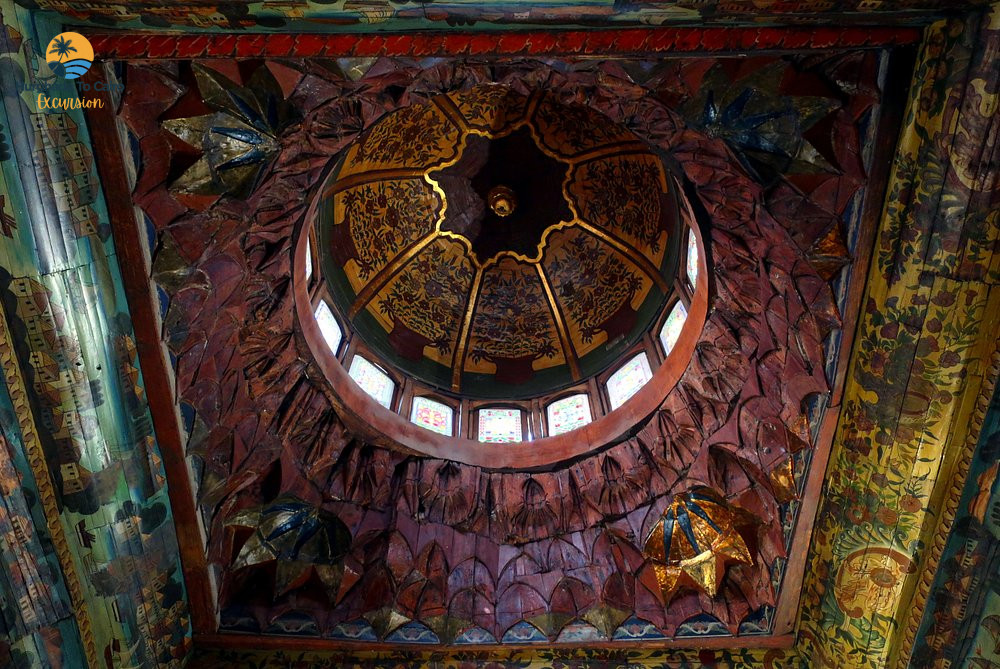

The Mokattam Mountain Miracle
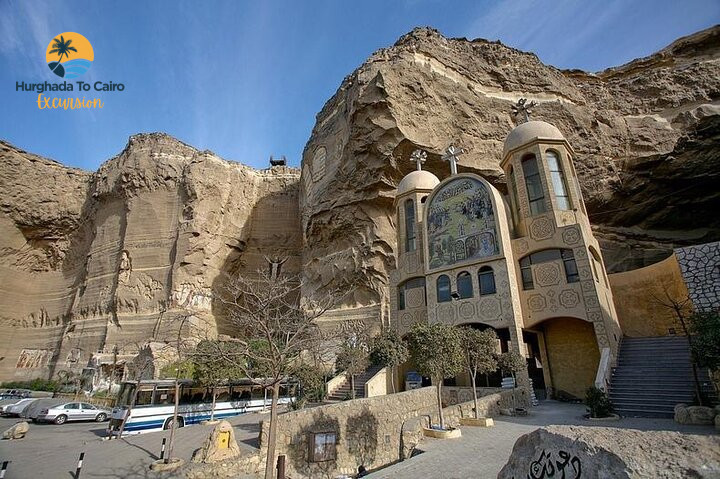
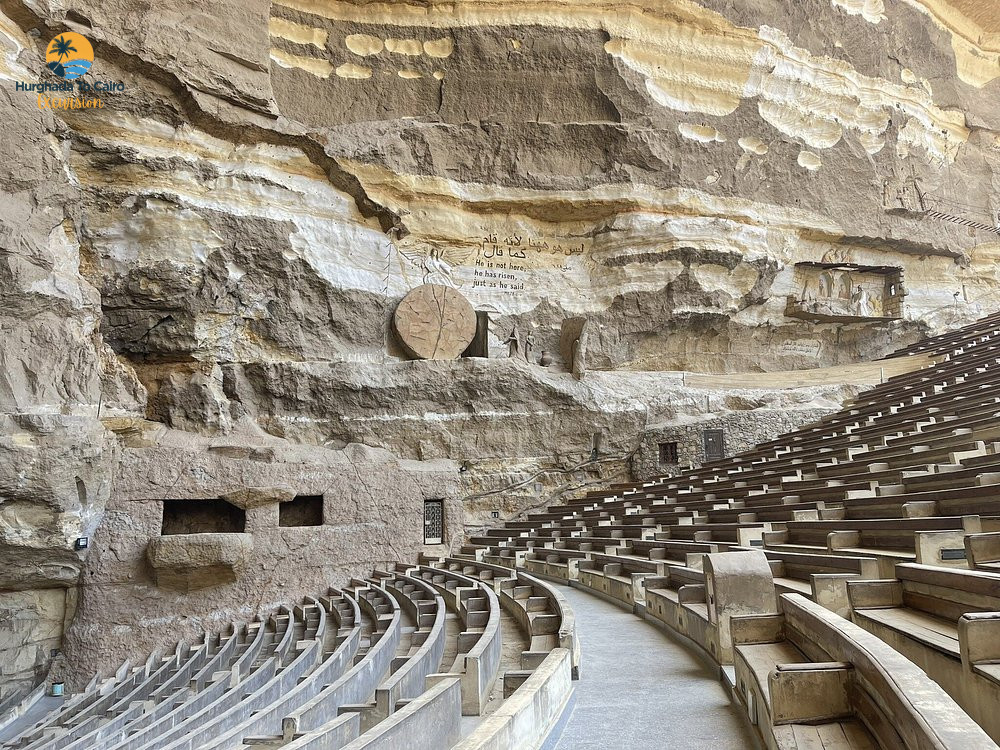
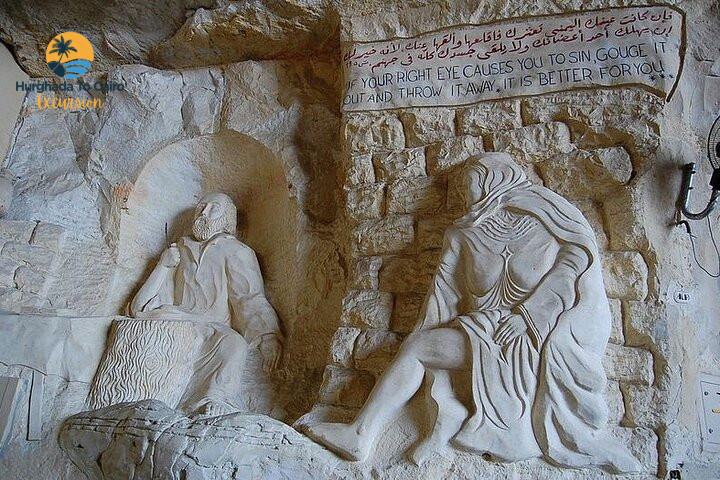
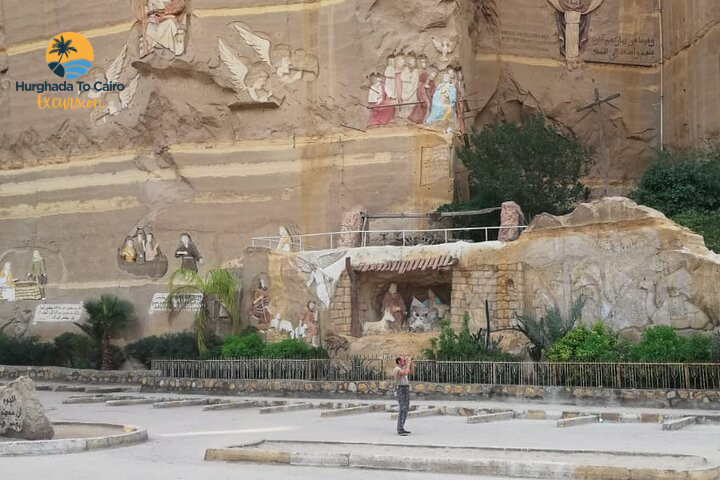
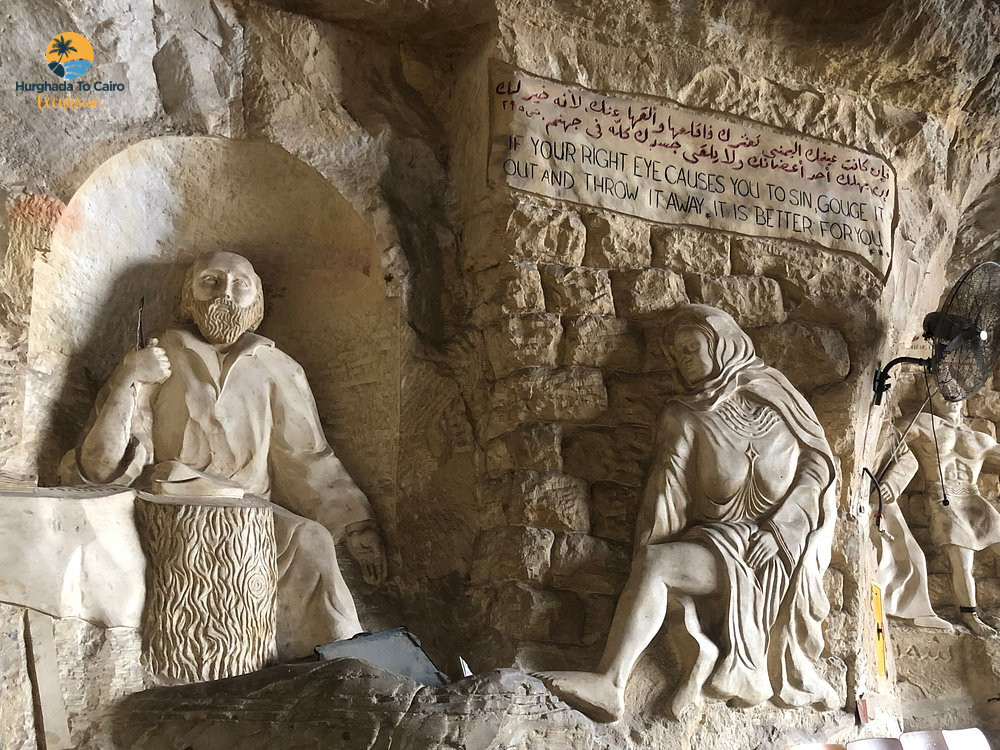
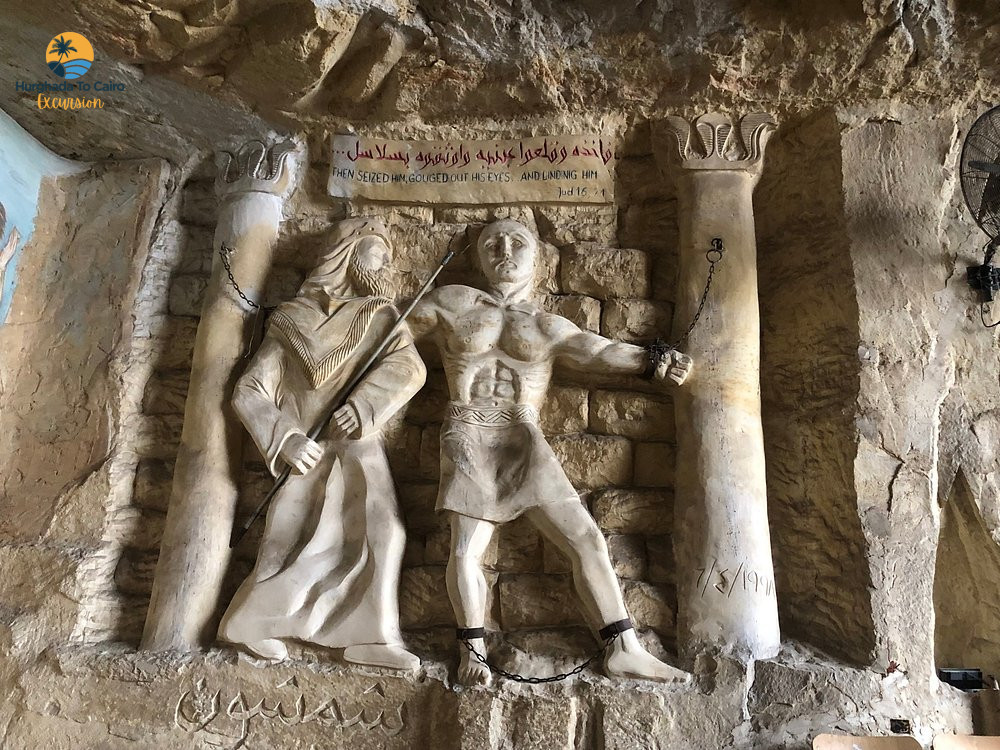
The Hanging Church is closely associated with one of Coptic Christianity’s most famous legends: the Mokattam Mountain Miracle. In the 10th century, the ruling caliph al-Muizz reportedly challenged Pope Abraham, then serving from the Hanging Church, to prove the validity of a biblical passage claiming that faith the size of a mustard seed could move a mountain. According to tradition, the pope’s faith and prayer caused part of Mokattam Mountain to move, a miracle said to have converted many witnesses to Christianity — a story that also connects directly to the Cave Church complex built into that same mountain centuries later.
10 Highlights of Your Tour
Full Day Itinerary — Hour by Hour

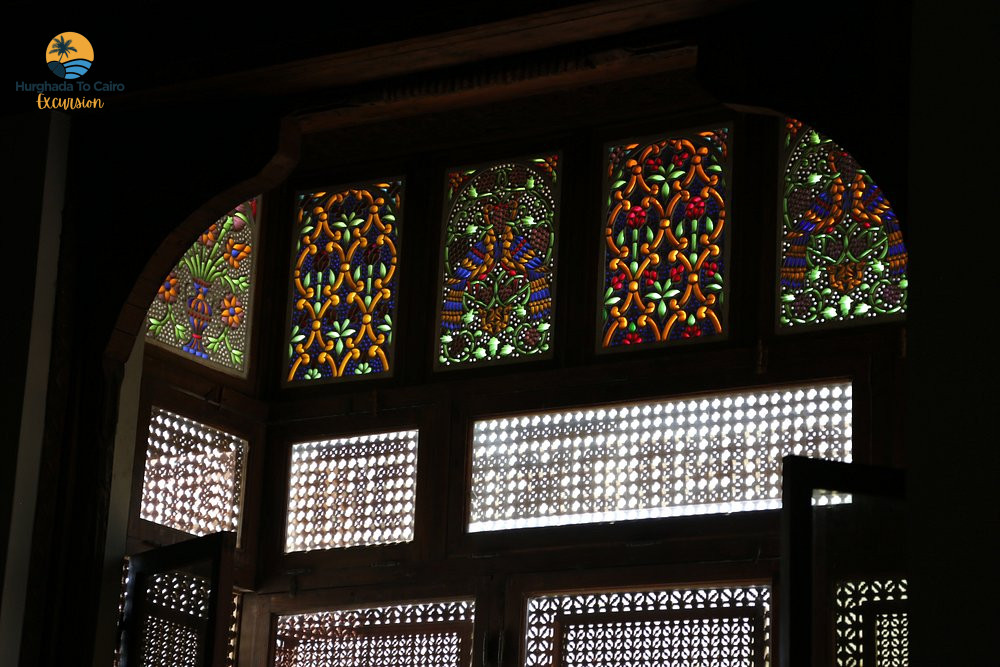
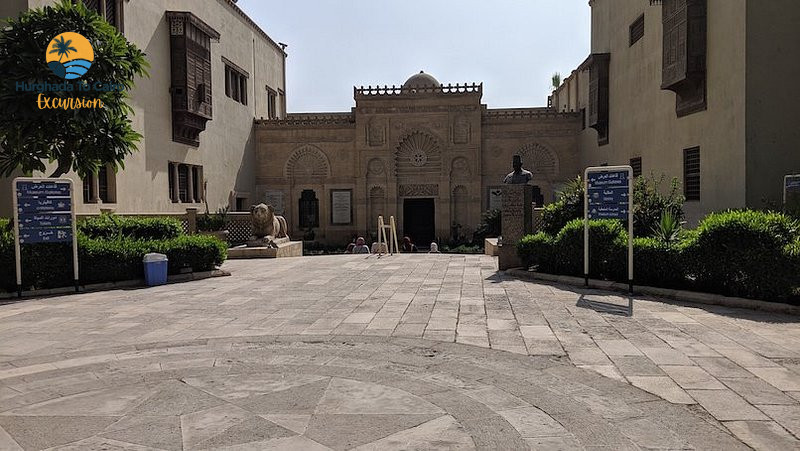

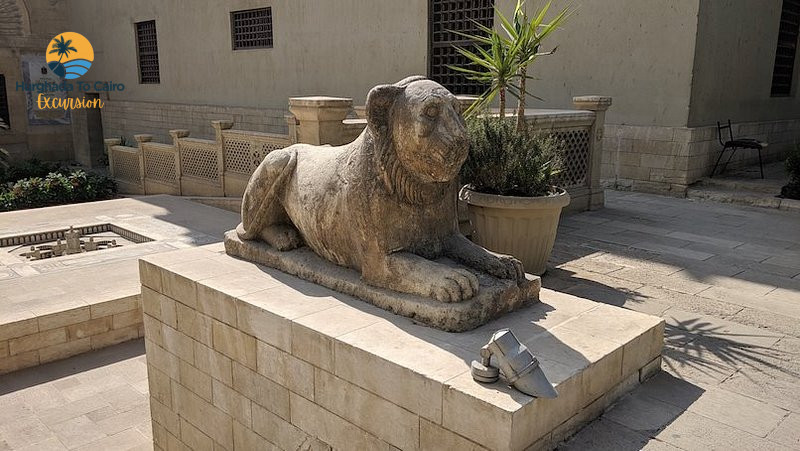
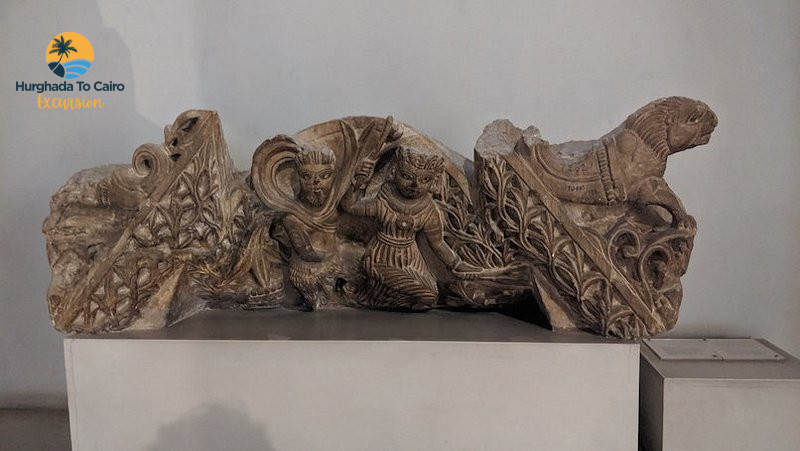
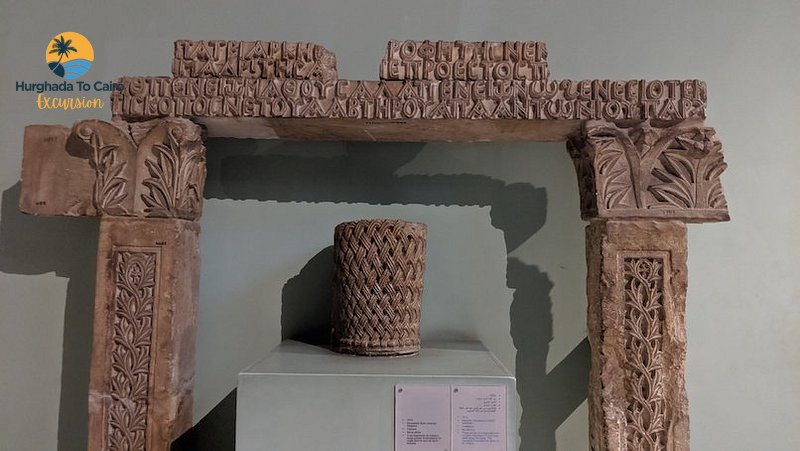

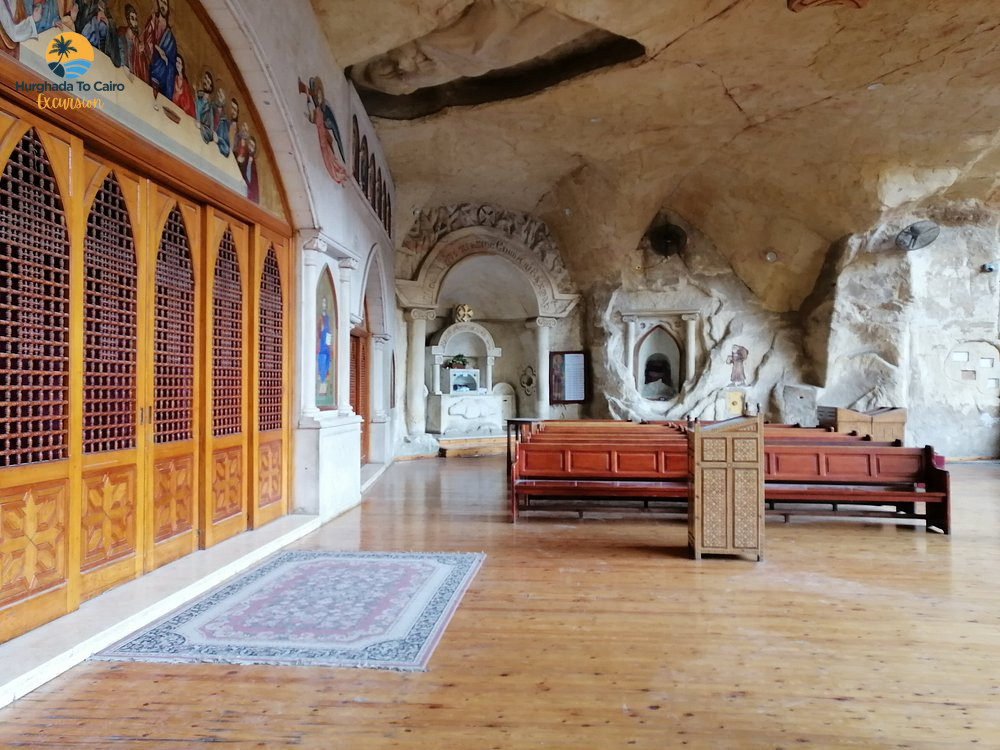
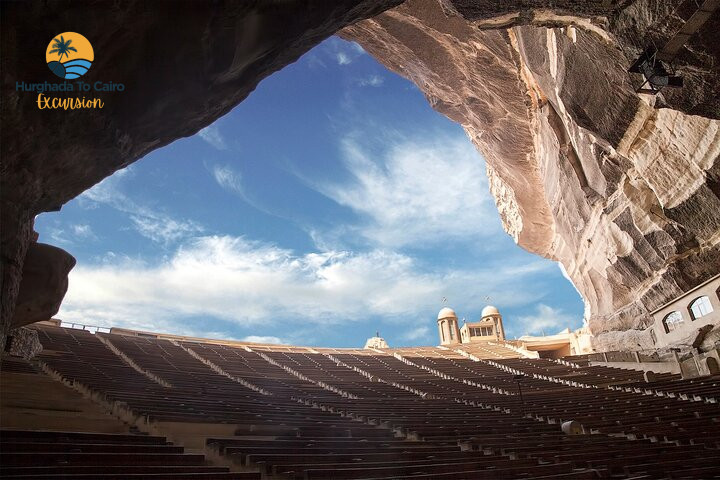
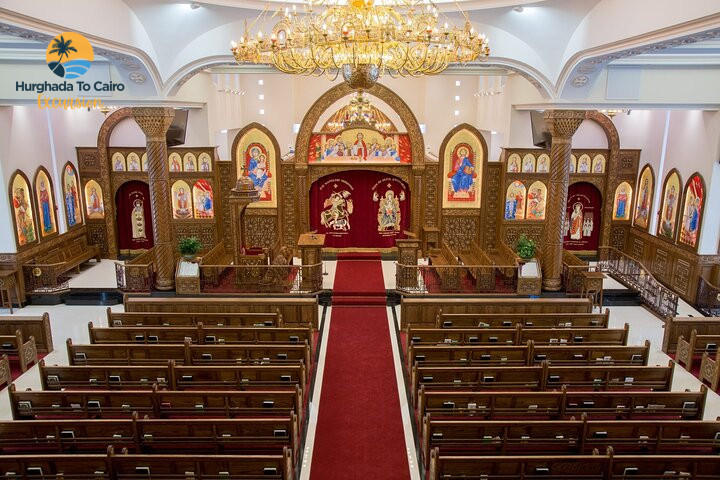


Book your Coptic Museum and Hanging Church tour from Hurghada — 2,000 years of Egyptian Christian history, on solid Roman foundations.
What Else Sits Within the Same Complex
The same Coptic Cairo complex also houses the Church of Saints Sergius and Bacchus (Abu Serga), traditionally associated with the Holy Family’s stay in Egypt, and the Ben Ezra Synagogue, historically significant for the discovery of the Cairo Geniza manuscripts. Our standard tour focuses on the Coptic Museum and the Hanging Church specifically, but if time allows and you’re interested, we’re happy to discuss adding a brief look at either — entirely at your discretion, not as a default extension.
Why Unhurried Time Here Matters
Some Cairo itineraries treat this pairing as a quick 30-minute stop each, squeezed between larger headline sites. Given that both locations sit within a two-minute walk of each other, there’s genuinely no logistical reason to rush — the time saved on transfers should go directly into appreciating over 1,600 years of continuous Christian history at both sites, not into cramming in an extra unrelated stop.
Accessibility & Practical Notes
The Coptic Museum is a modern, purpose-built facility with generally good accessibility. The Hanging Church, given its age and construction directly atop ancient towers, involves some steps and uneven surfaces — contact us at booking with specific mobility needs so we can advise honestly. Modest dress (shoulders and knees covered) is expected at the church, as with any active place of worship in Egypt.
What to Pack
10 Insider Tips
Tip 2 — Visit the museum before the church, in the order suggested. The historical context from the collection deepens the church visit that follows.
Tip 3 — Look closely at the wooden iconostasis’s ivory inlay work. Genuinely intricate craftsmanship easy to walk past too quickly.
Tip 4 — Ask about the Mokattam Mountain miracle story. It connects this site directly to the Cave Church complex, should that interest you on a future visit.
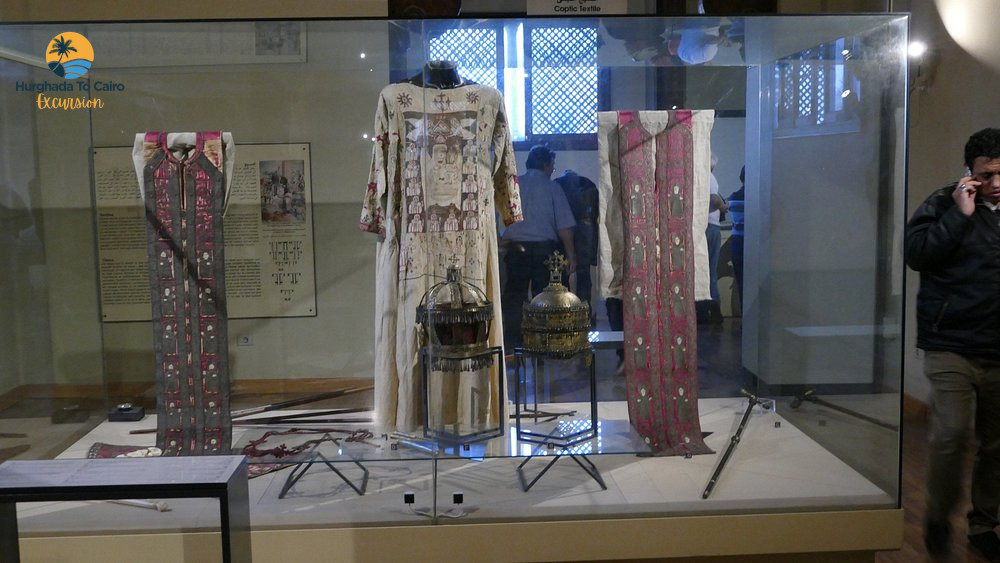
Tip 5 — Don’t rush past the museum’s textile gallery. A genuinely under-appreciated highlight for most visitors.
Tip 6 — Dress modestly for the church specifically, even if you’re more relaxed elsewhere in Cairo. It remains an active place of worship.
Tip 7 — Sleep during parts of the long drive. The 5.5-6 hour journey each way is easier managed this way.
Tip 8 — Consider this tour if you’ve already done the Pyramids on a previous Egypt trip. A genuinely different, complementary side of the country’s history.
Tip 9 — Ask about adding Abu Serga or Ben Ezra Synagogue only if you’re genuinely interested. They’re worthwhile but entirely optional additions to this specific tour.
Tip 10 — Take your time; there’s no rush between sites here. The two-minute walk between museum and church means your day’s pace is genuinely in your hands.
Real Reviews — Coptic Museum & Hanging Church Tour from Hurghada
“We’d already seen the Pyramids on a previous trip and wanted something different — this was exactly right. Learning the church was literally built on Roman towers made the visit genuinely fascinating, not just pretty.”
“The Coptic Museum’s textile collection was a genuine highlight neither of us expected. Our guide’s knowledge of both sites was excellent, and the short walk between them meant we never felt rushed.”
Frequently Asked Questions
Book Your Coptic Museum & Hanging Church Tour Today
2,000 years of Roman and Coptic Christian history, unhurried and accurately told. Free cancellation up to 24 hours before departure.
All Cairo Trips from Hurghada
Cave Church Cairo Tour from Hurghada