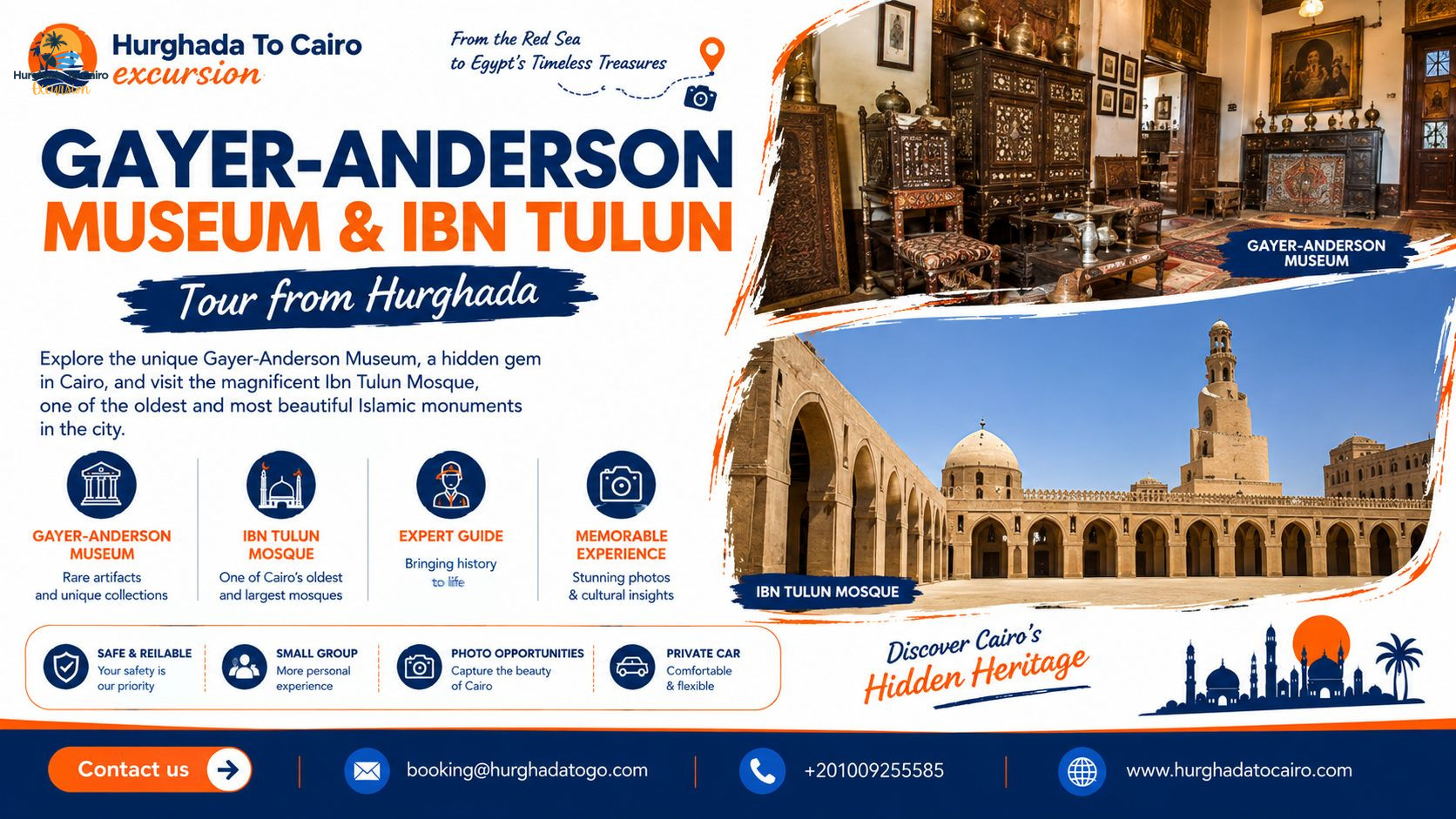
The Gayer-Anderson Museum and Ibn Tulun tour from Hurghada takes you to two of Cairo’s most genuinely remarkable, least-crowded historic sites, sitting directly beside one another in the Sayyida Zeinab district: the Mosque of Ibn Tulun, Cairo’s oldest surviving mosque in its original form, and the Gayer-Anderson Museum, two beautifully restored Ottoman-era houses filled with antiques and famous for a James Bond film scene. This tour is built as a deliberately focused, private cultural itinerary around these two sites and their shared architecture and history — not a broader sweep through Islamic Cairo.
📑 Table of Contents
Ibn Tulun Mosque — History
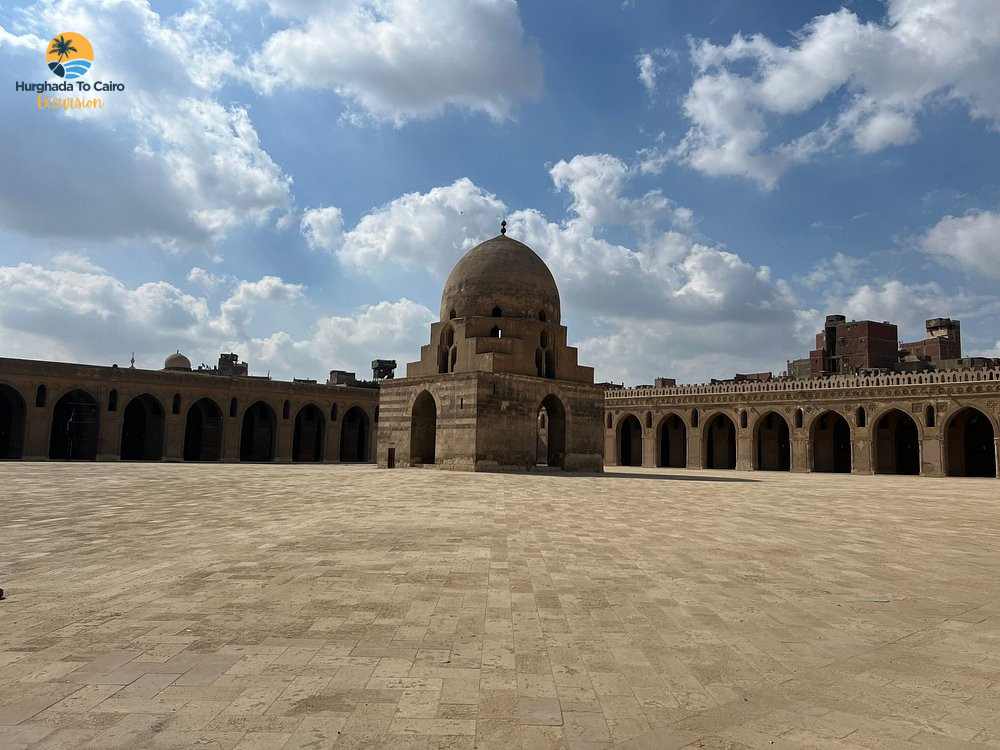
The Mosque of Ahmad ibn Tulun was commissioned by Ahmad ibn Tulun, the Abbasid governor of Egypt from 868 to 884, whose rule was marked by a degree of de facto independence from the Abbasid Caliphate in Baghdad. Construction began in 876 CE, with the mosque’s original inscription slab identifying its completion in the Islamic year 265 AH — 879 CE. It formed the centrepiece of Ibn Tulun’s new capital, al-Qata’i, built on Jabal Yashkur (the “Hill of Thanksgiving”), a site local legend once associated with Noah’s Ark coming to rest after the flood.
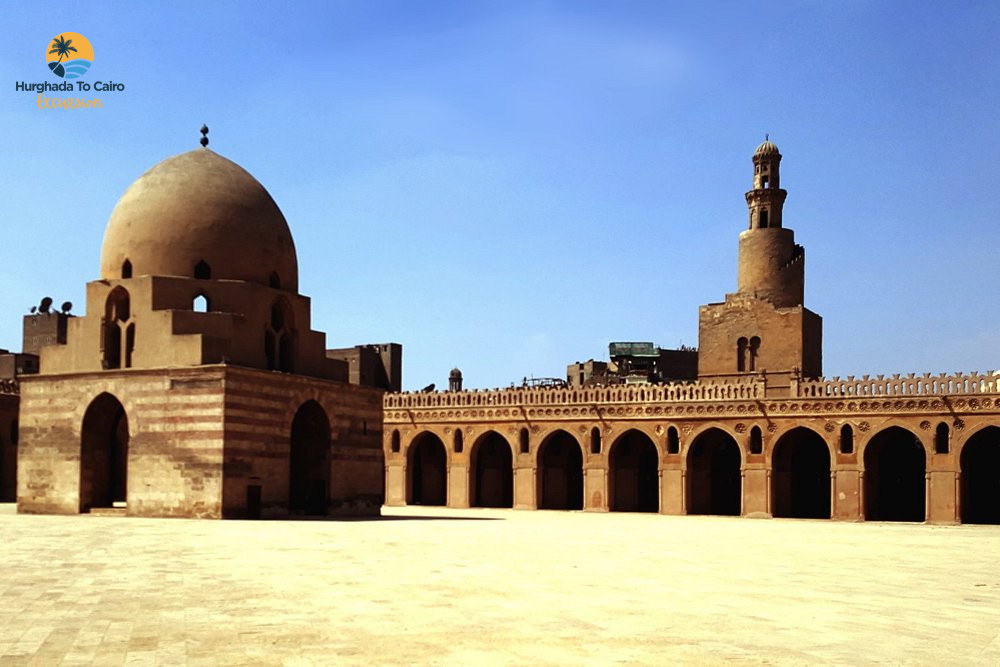
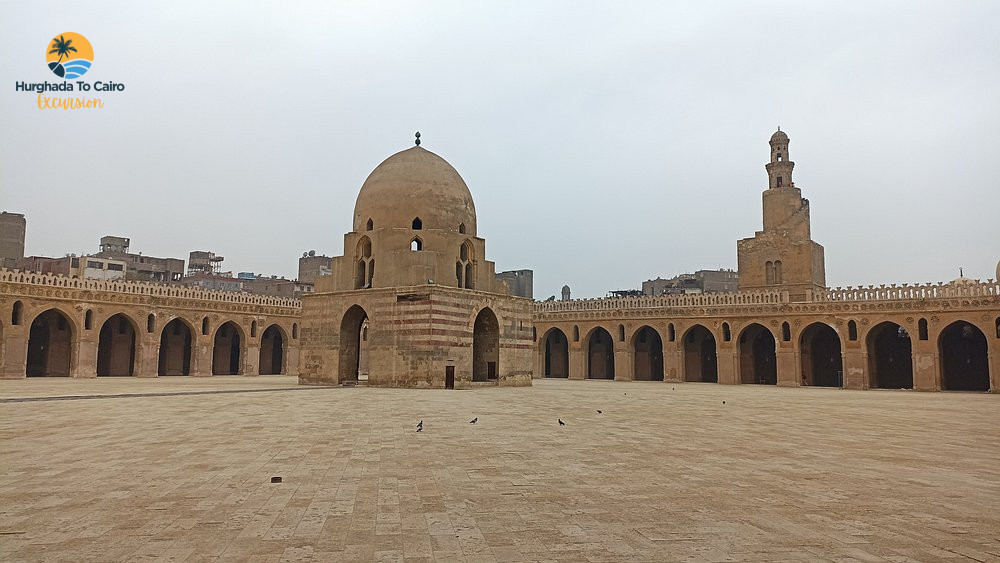
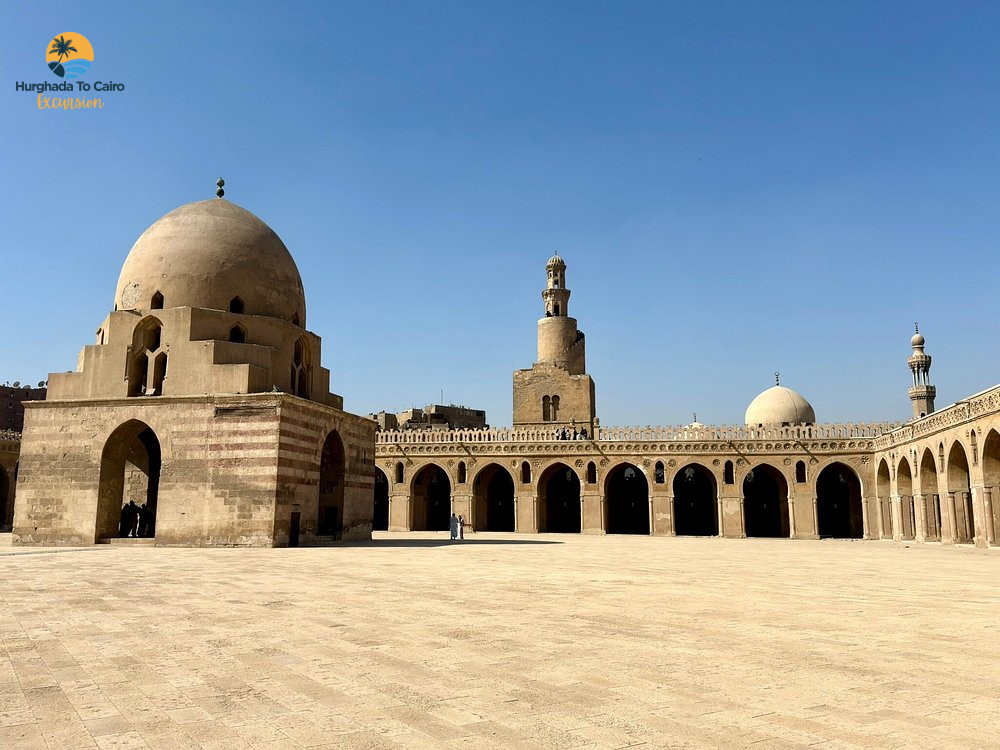
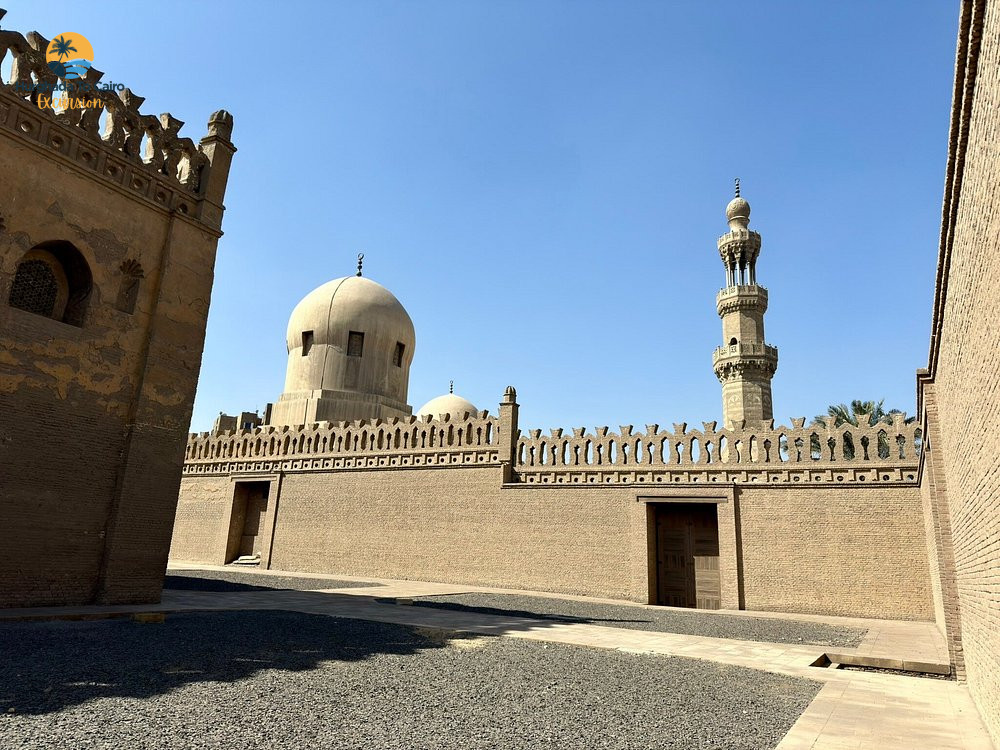
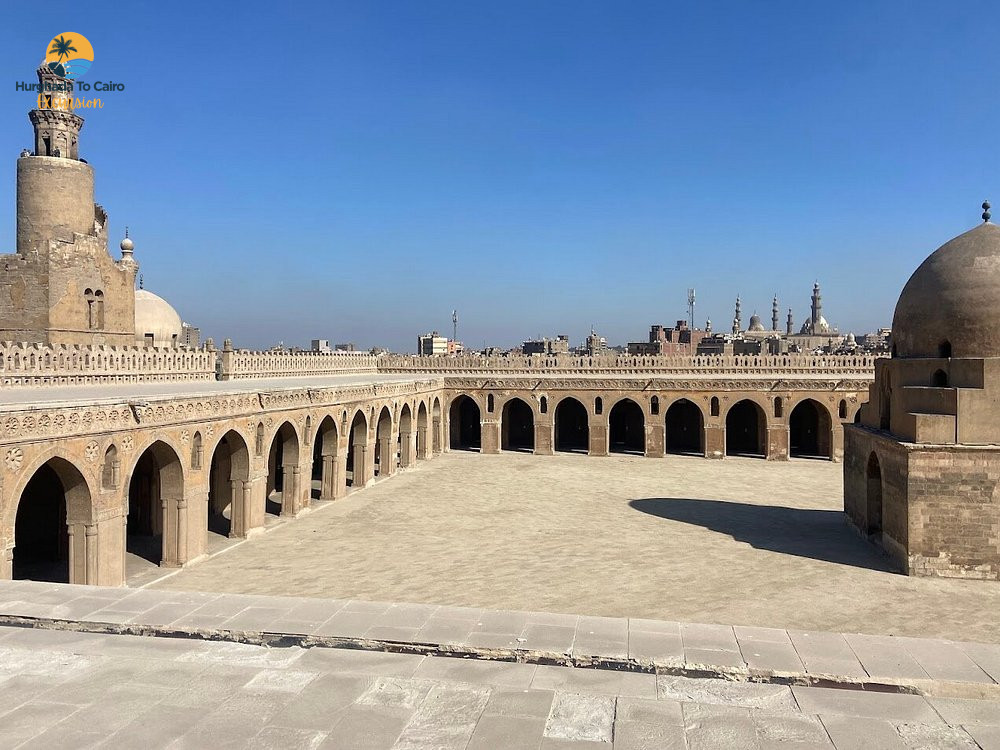
What makes Ibn Tulun genuinely exceptional among Cairo’s historic mosques is its survival: it is widely considered the oldest mosque in Cairo still standing in its original form, and by land area, the largest mosque in the city. Built in brick rather than the stone used in most later Cairo mosques, its design reflects direct Abbasid architectural influence from Samarra, in modern-day Iraq, where Ibn Tulun had spent considerable time and understood the political weight of architectural symbolism. In 1296, Sultan Lajin carried out a major restoration, adding a distinctive fountain (sabil) with a high drum dome in the central courtyard and rebuilding the mosque’s pulpit (minbar).
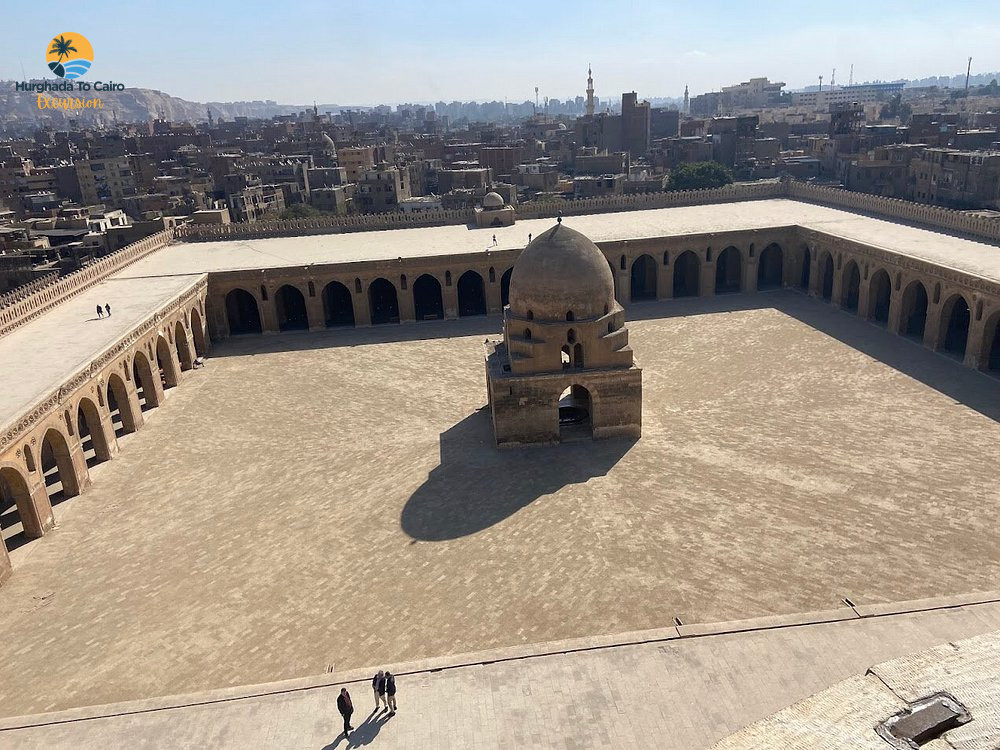
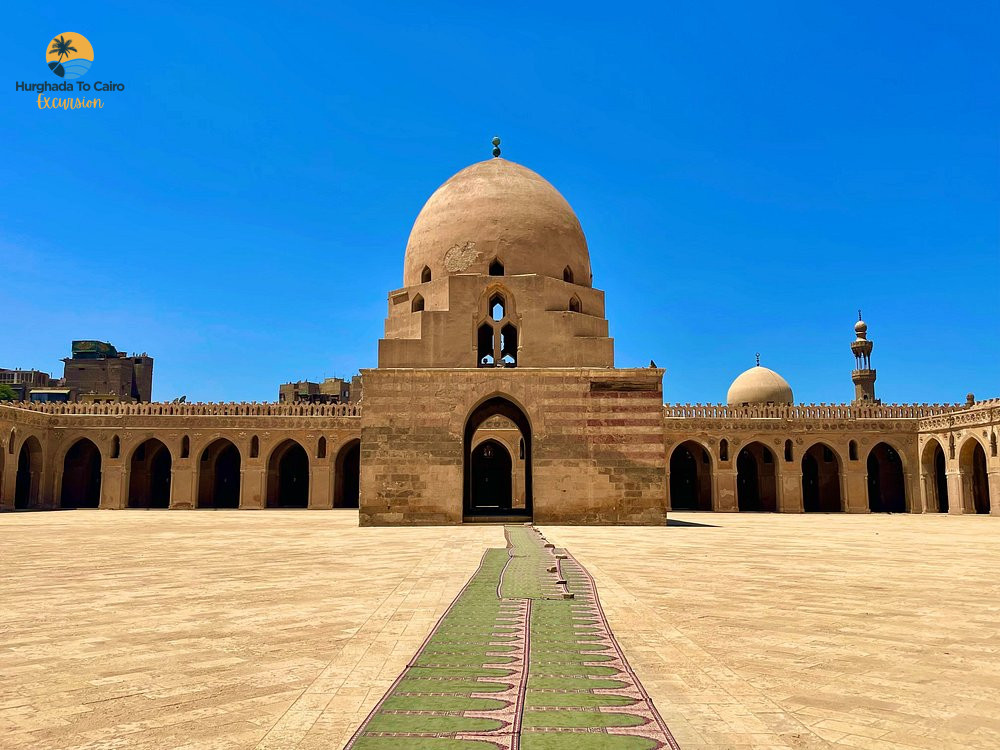
The Spiral Minaret
The mosque’s single, standout architectural feature is its spiral minaret, known locally as the Malwiya, standing approximately 40 metres (131 feet) tall with a distinctive external spiral staircase — a design directly echoing the famous minaret of the Great Mosque of Samarra. Some scholarly debate exists over the exact date the minaret’s current form was constructed, though its architectural inspiration is not in question. Climbing the staircase to the top rewards visitors with one of the best panoramic views over historic Cairo available anywhere in the city.
The Gayer-Anderson Museum
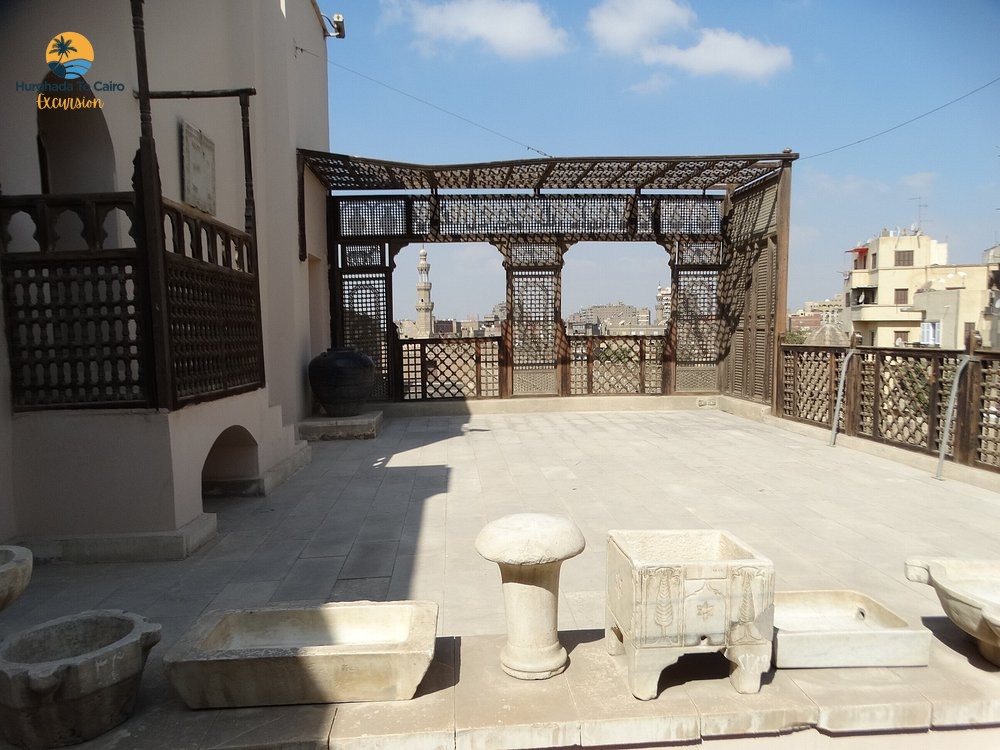
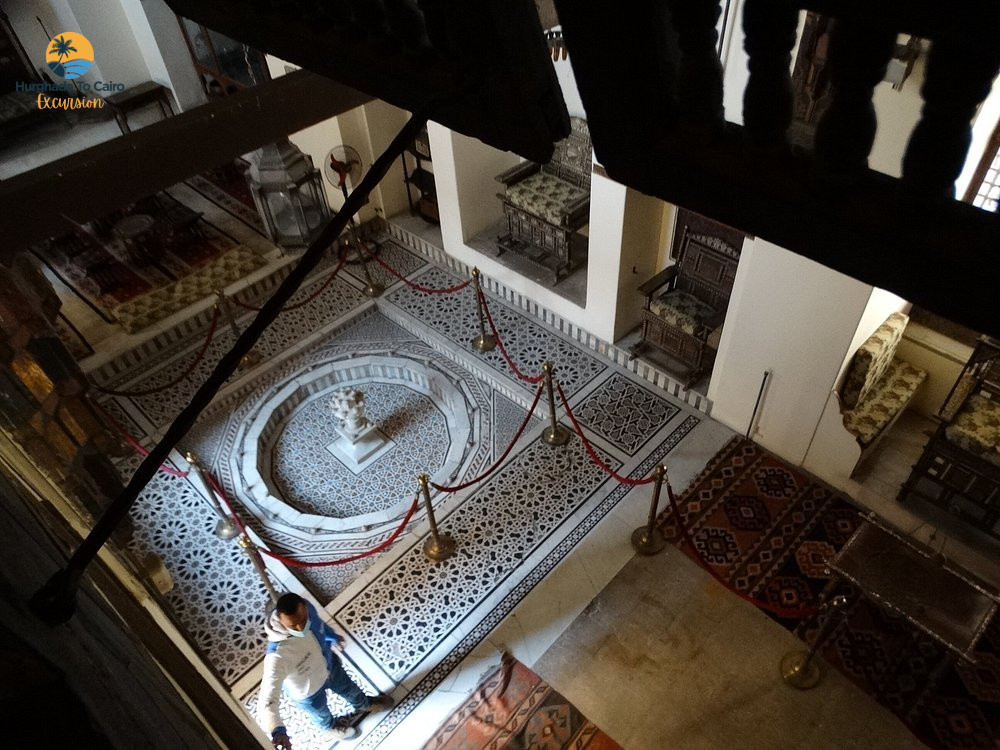
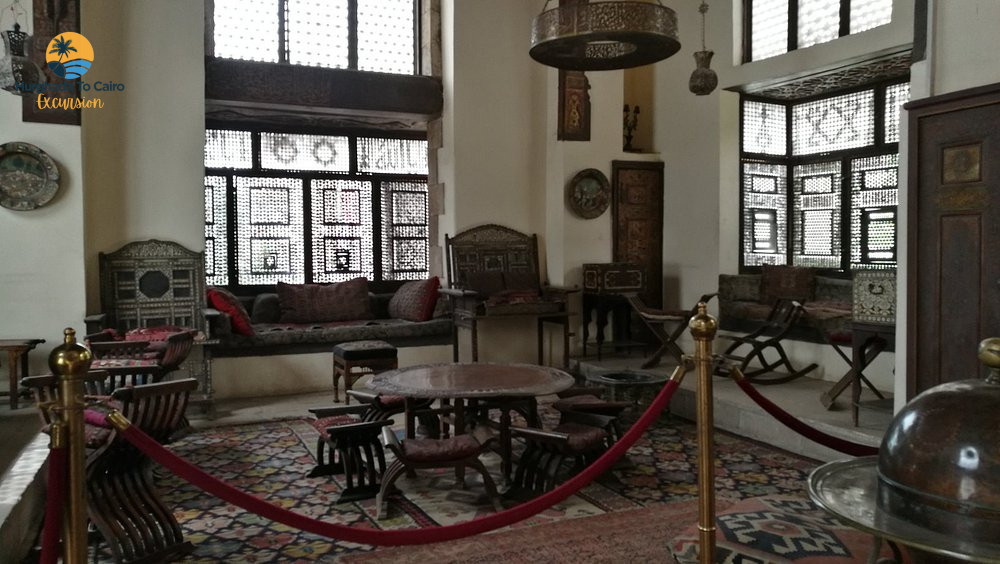
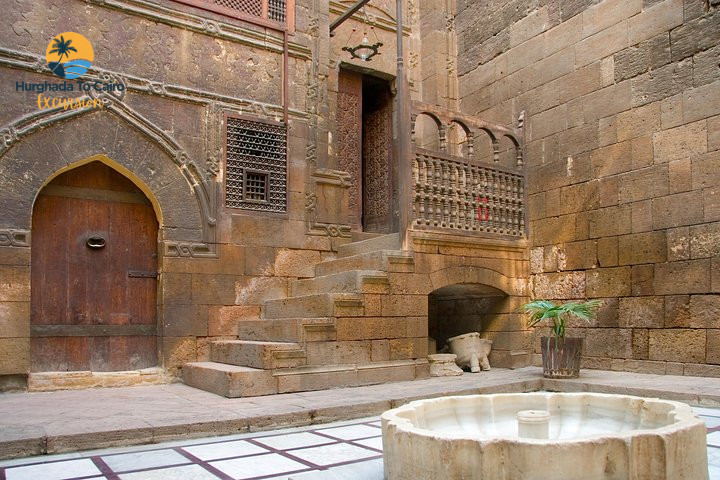
Directly adjacent to the mosque, using its outer wall for structural support, sits the Gayer-Anderson Museum, also known by its Arabic name Bayt al-Kritliyya. The complex is formed from two originally separate houses: the larger, eastern house was built in 1632 CE (1041 AH) by Hajj Mohammad ibn al-Hajj Salem ibn Galman al-Gazzar, with a second house added later and eventually connected via a third-floor bridge, merging the two into a single residence.
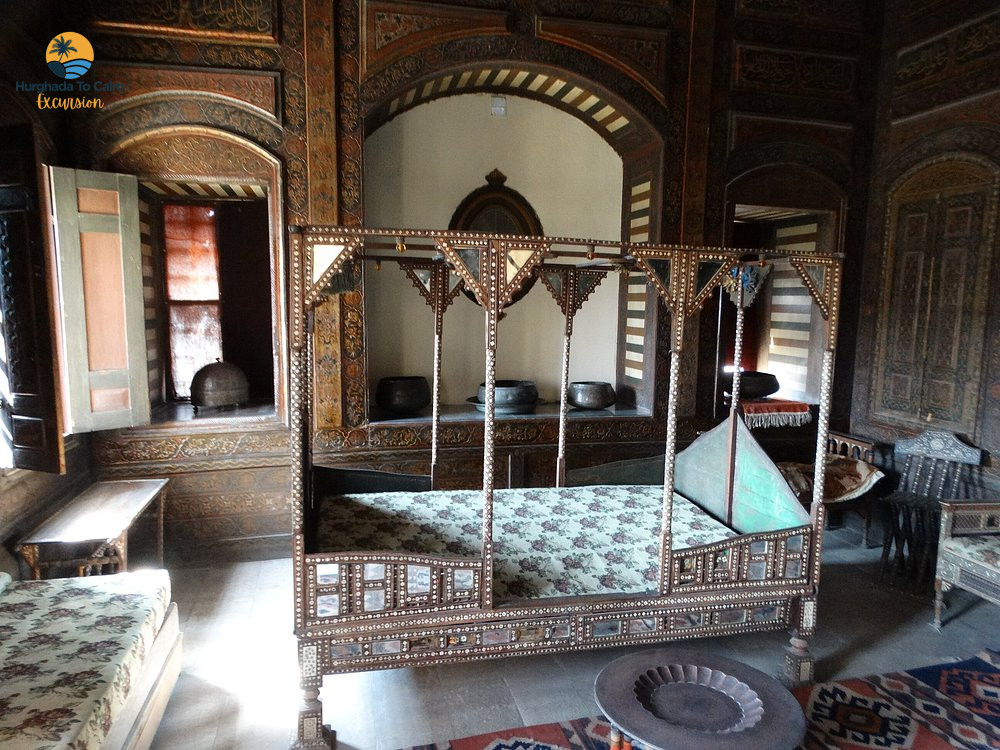
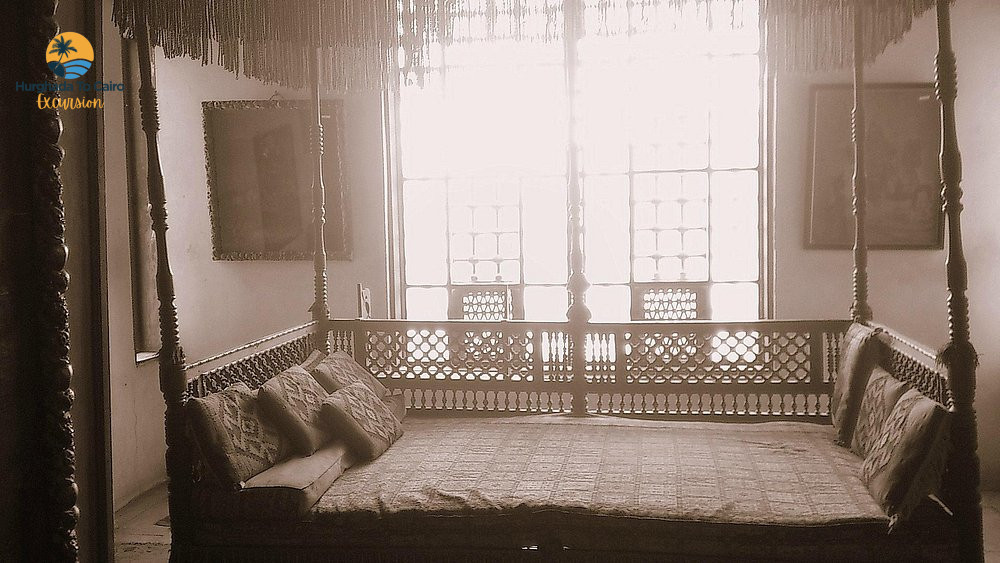
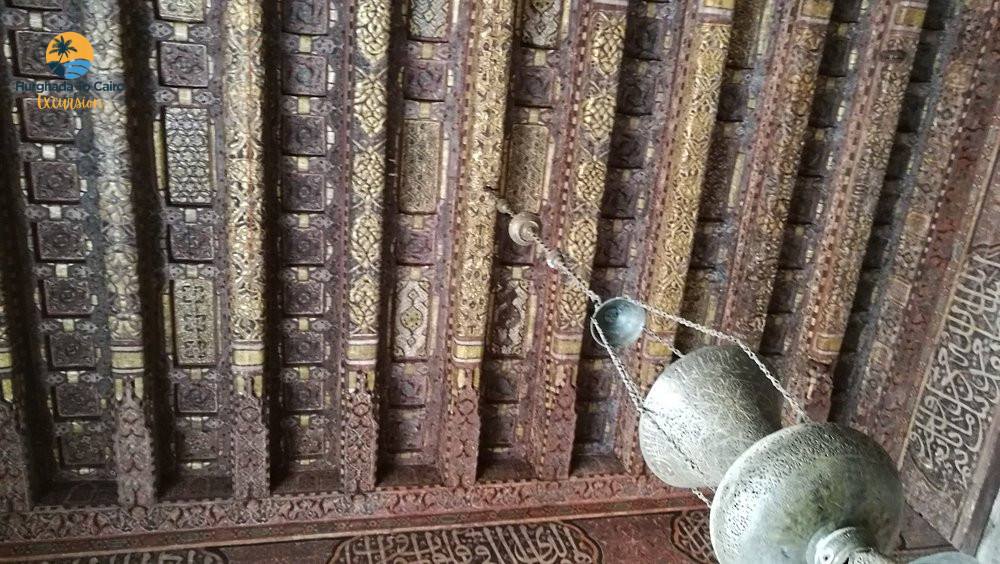
The house takes its modern name from Major Robert Grenville Gayer-Anderson Pasha, a British officer and collector who, with special permission from the Egyptian government, restored and lived in the house between 1935 and 1942. He filled it with an eclectic personal collection of furniture, Persian carpets, and antiquities from across the Islamic world. When he left Egypt in 1942, he donated the house’s entire contents to the Egyptian state, and it has operated as a museum ever since — widely regarded as one of the finest surviving examples of 17th-century Cairene domestic architecture, complete with genuinely atmospheric mashrabiya screens, hidden doors, and secret rooms.
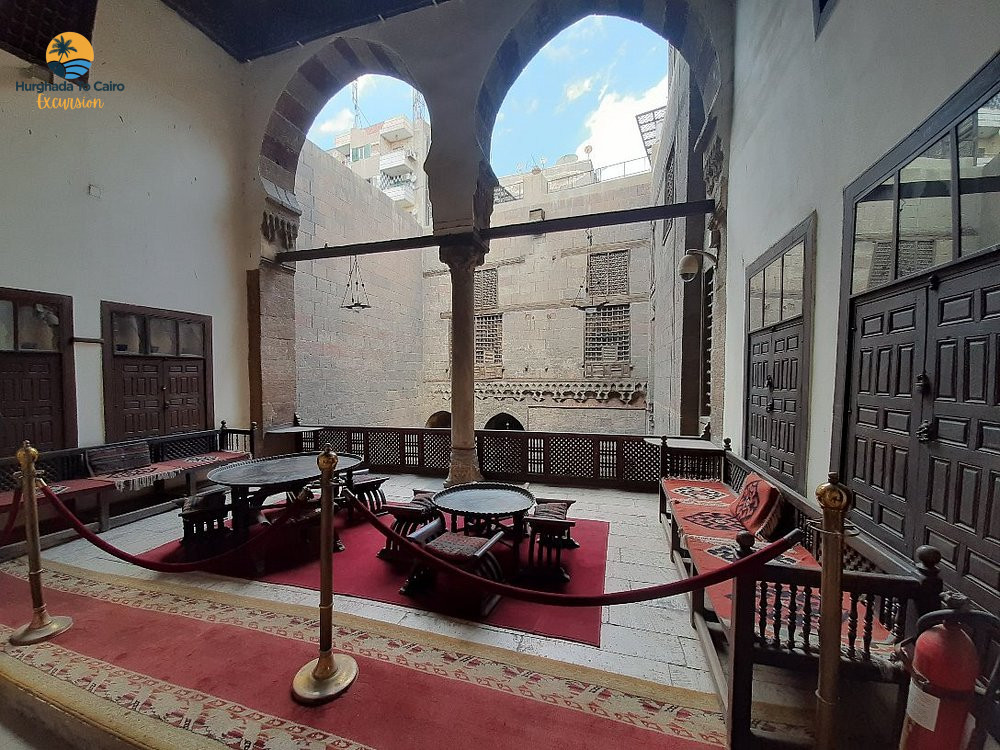
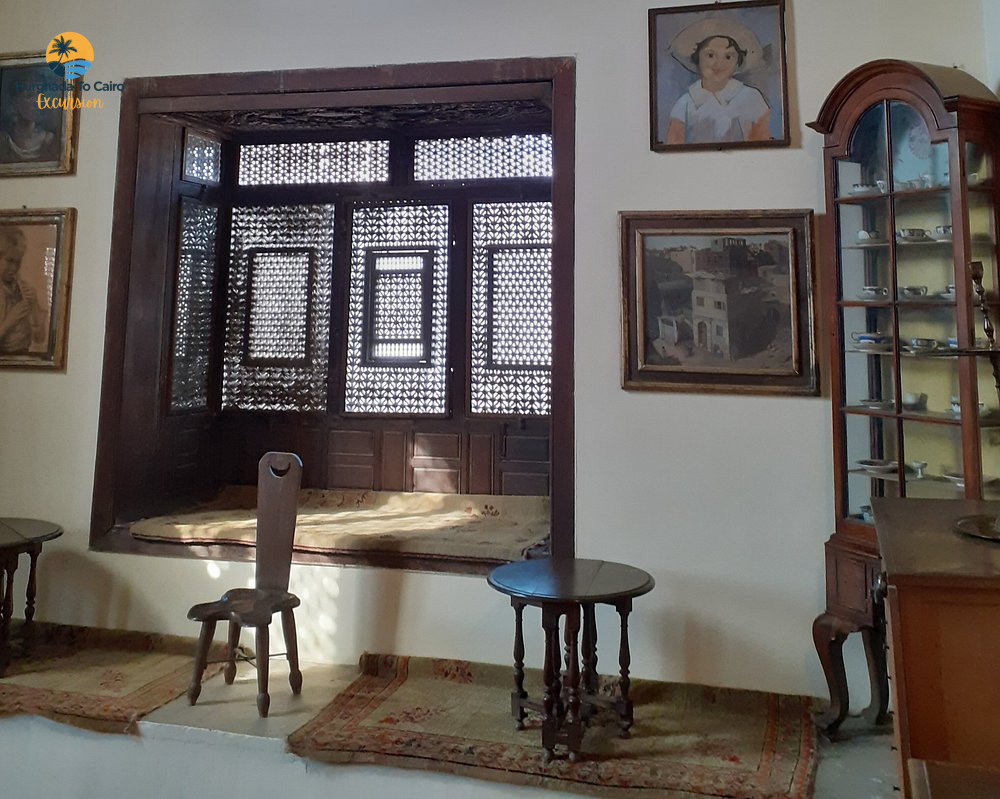
The James Bond Connection
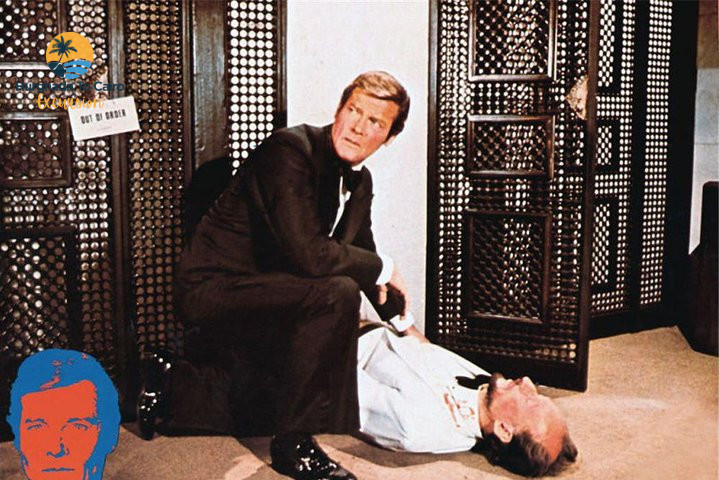
Both sites hold a genuinely fun claim to fame: scenes from the 1977 James Bond film The Spy Who Loved Me were filmed here, with Roger Moore’s Bond seen walking through the mosque’s courtyard and descending into the Gayer-Anderson house next door. It’s a small but memorable detail many guides delight in pointing out at exactly the spot the scene was filmed.
10 Highlights of Your Tour
Full Day Itinerary — Hour by Hour
Enquire about your Gayer-Anderson Museum and Ibn Tulun tour from Hurghada — Cairo’s oldest mosque, paired with a genuinely atmospheric 17th-century house.
What This Tour Deliberately Does Not Include
This tour stays genuinely centred on Ibn Tulun Mosque and the Gayer-Anderson Museum. It does not extend to the Citadel of Cairo or the Mosque of Muhammad Ali, and it is not designed as a general Islamic Cairo circuit taking in Khan El Khalili, Al-Muizz Street, or multiple additional mosques. Those are all worthwhile destinations, but combining them here would dilute the focused, unhurried time we’re able to give these two genuinely connected sites. If a broader Islamic Cairo experience interests you, we’re happy to discuss it as a separate, dedicated tour.
Accessibility & Practical Notes
The mosque’s vast open courtyard is relatively flat and walkable, though the spiral minaret staircase itself is narrow, uneven, and not suitable for those with mobility concerns or a fear of heights — climbing is entirely optional. The Gayer-Anderson Museum, given its age and multi-level layout with connecting stairs between the two houses, is similarly not fully accessible. Contact us at booking with specific mobility needs so we can advise honestly on what’s realistic for your visit. Shoes must be removed before entering the mosque’s prayer areas, as is standard practice.
What to Pack
10 Insider Tips
Tip 2 — Ask your guide to point out the exact James Bond filming locations. A fun, tangible detail that adds real character to the visit.
Tip 3 — Take your time in the Gayer-Anderson Museum’s hidden rooms. It’s easy to walk past genuine architectural surprises too quickly.
Tip 4 — Bring easily removable shoes. You’ll take them off before entering the mosque’s prayer areas.
Tip 5 — Notice the brick construction of Ibn Tulun. A genuine departure from the stone used in most later Cairo mosques, and part of what makes it architecturally distinctive.
Tip 6 — Ask about Sultan Lajin’s 1296 restoration. A genuinely interesting layer of the mosque’s history beyond its original construction.
Tip 7 — Consider this tour if you’ve already done the Pyramids and standard museum circuit. A genuinely different, calmer side of Cairo’s history.
Tip 8 — Sleep during parts of the long drive. The 5.5-6 hour journey each way is easier managed this way.
Tip 9 — Ask your guide about the local legend connecting the mosque’s hill to Noah’s Ark. A charming piece of folklore tied to the site.
Tip 10 — Enjoy the genuinely calm pace here. Two of Cairo’s most under-visited world-class sites, without the crowds of the headline circuit.
Real Reviews — Gayer-Anderson & Ibn Tulun Tour from Hurghada
“Climbing the spiral minaret was the highlight of our entire Cairo trip — the view was extraordinary and we had it almost to ourselves. The Gayer-Anderson house next door felt like stepping into a completely different world.”
“Huge James Bond fans, so seeing the exact spots from The Spy Who Loved Me was a real treat. But honestly, the mosque’s history and architecture stood entirely on its own even without that connection.”
Frequently Asked Questions
Enquire About This Tour Today
Cairo’s oldest surviving mosque, paired with one of its most atmospheric historic houses — a genuinely focused, private cultural itinerary. Free cancellation up to 24 hours before departure.
All Cairo Trips from Hurghada
Museum of Islamic Art Tour from Hurghada